

Category: Features
Why Are We Here Again?
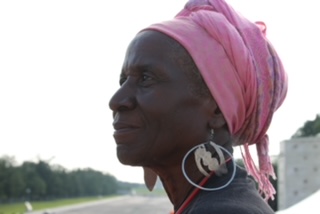
Our ancestors’ laurels are not for us to merely romanticize. We are not to sit docile nor wallow in the nostalgia of their endeavors. It is not for us to misappropriate their progress as permission to pause the fight. It is time for this administration and all following to heed to the certitude that though our bodies are no longer the commodity up for auction, they do not possess the power to make our rights the replacement. Nevertheless, we continue demanding access to exercise the same liberties as the corporations riddled with greed, the guns that tear our schools apart, and a music industry that promotes our pain instead of our power. Will we continue to hypothesize and theorize our perils or will we leverage our forerunners’ advancements for propulsion into a new national order?
The AME Church Can Serve as Our Nation’s Hope
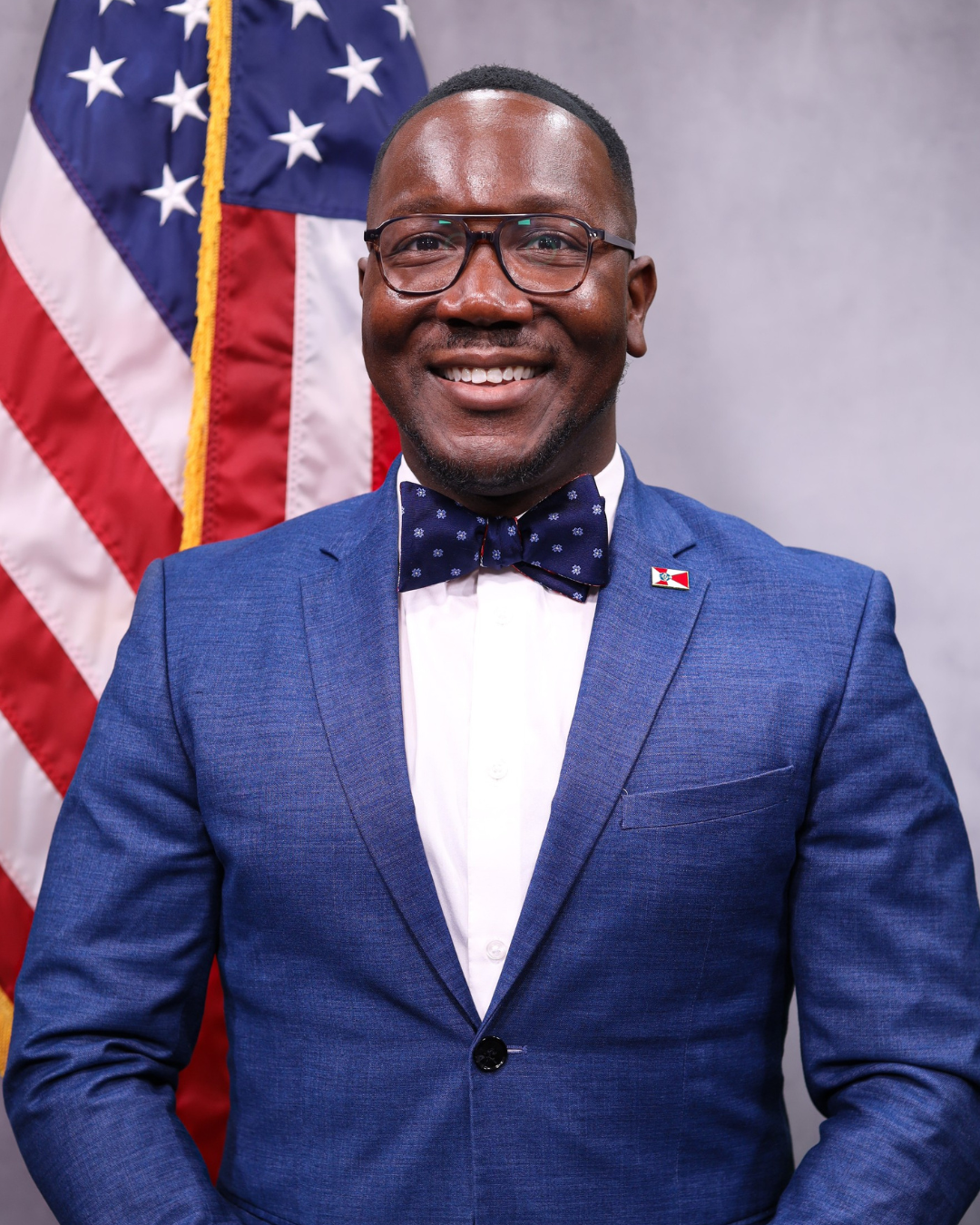
God reminds us that weeping may endure for a night, but joy comes in the morning. As an elected official in Kansas’ largest city, representing nearly 70,000 constituents, many of whom live in communities facing economic disinvestment, environmental injustice, and poverty, I often think not only about where I find hope, but also about how I can help make that hope available to the people I represent.
Remembering Mother Bishop
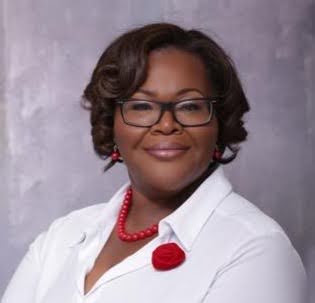
Courageous. Innovator. Trailblazer. First of many. The latter are just a few of the ways people describe Bishop Carolyn Tyler Guidry. But if you knew her and were loved by her, she was “Mother Bishop.” On Sunday, August 23, 2026, St. John AME Church in Fairburn, Georgia, under Pastor Greta Fowler, renamed its fellowship hall in honor of Mother Bishop Carolyn Tyler Guidry. Surrounded by Bishop Tyler Guidry’s family, Pastor Fowler and Bishop Tyler Guidry’s son, the Reverend Dr. Timothy Tyler, cut the ribbon in rededication of the fellowship hall.
Celebrating Dr. John Thomas III’s 10 Years of Dedicated Service as Editor of The Christian Recorder
The Connectional Lay Organization (CLO) extends its warmest congratulations to Dr. John Thomas III on 10 years of dedicated service in The Christian Recorder Department of the Global AME Church. Ten years of global ministry reflect deep faith, resilience, and unwavering commitment to God’s work. Through his leadership, he has connected cultures, strengthened international fellowship, and advanced our shared mission across borders.
Vaccines Save Lives: Faith, Science, and the Responsibility to Protect Our Communities
Vaccination remains one of the most important tools available to protect the health of children, adults, families, and communities. For generations, vaccines have dramatically reduced the illness, disability, hospitalization, and death associated with diseases that once devastated families. Yet today, conflicting messages about vaccines can leave people uncertain about whom to believe and where to turn for reliable guidance.
White Christian Nationalists’ Love of ICE and Concentration Camps, in Three Charts
ByRobert P. Jones, Ph.D. President and Founder, Public Religion Research Institute (PRRI) As the empirical evidence for the threat white Christian nationalism presents to pluralistic democracy has mounted over the… Read More »

Turner Monumental AME Church Celebrates Zoning Approval for GracePoint Senior Living Community
GracePoint Senior Living Community is planned to include 42 units of affordable housing for seniors ages 62 and older. The units will serve seniors with incomes at or below 50% of the Area Median Income. For Turner, this project is about more than building apartments. It is about using church property to help meet a real need in the community. For years, the land represented possibility. Now, it is moving closer to becoming something that can serve seniors and the community in a meaningful way.
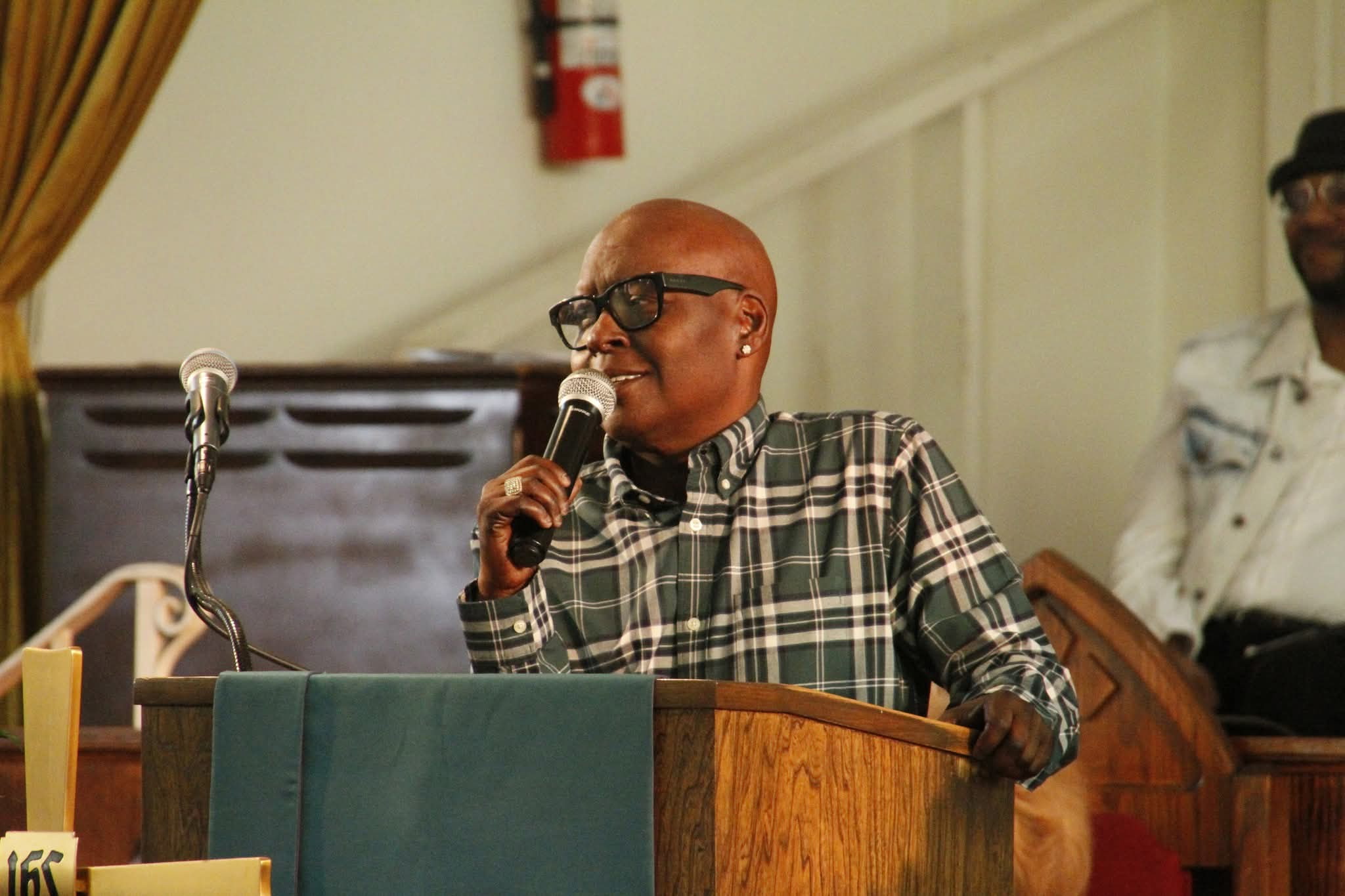
How to Stand Out When the System Says, “Fall In!”
In the life of our Church, we often talk about what qualifies someone for episcopal leadership. But underneath those stated qualifications runs another list, one we rarely say out loud. We ask whether we admit it or not: Does this candidate look like a Bishop? Do they carry themselves the way the generations before them did? Consider what happens when a candidate shows a flash of modern personality. A pair of earrings, say. To some, it’s a small thing. To others, it’s a break with tradition. Yet that small thing stands in for a much larger question the AME Church needs to answer: are we actually ready to embrace leadership that doesn’t fit the familiar shape?
AME University Breaks Ground for Landmark 25-Classroom Annex Historic Project to Expand Learning Space for More Than 7,000 Students
African Methodist Episcopal (AME) University has taken a bold step toward strengthening higher education in Liberia with the groundbreaking of a modern three-storey, 25-classroom annex to Hatcher Hall. The landmark project, scheduled for completion within eight months, is expected to significantly increase classroom capacity and improve the learning experience for the University’s rapidly growing student population of more than 7,000.
Wilberforce University Historic District Listed on National Register of Historic Places
“This designation represents far more than the preservation of historic buildings,” said Dr. Vann R. Newkirk, Sr., President, Wilberforce University. “It honors the remarkable legacy of generations who believed that education could transform lives and advance freedom. Wilberforce has long stood as a beacon of faith, scholarship, resilience, and leadership. We are grateful that this national recognition affirms our place in American history while inspiring us to continue preparing future generations of servant leaders.”
Leading with Faith: Interviews with Women of the African Methodist Episcopal Church
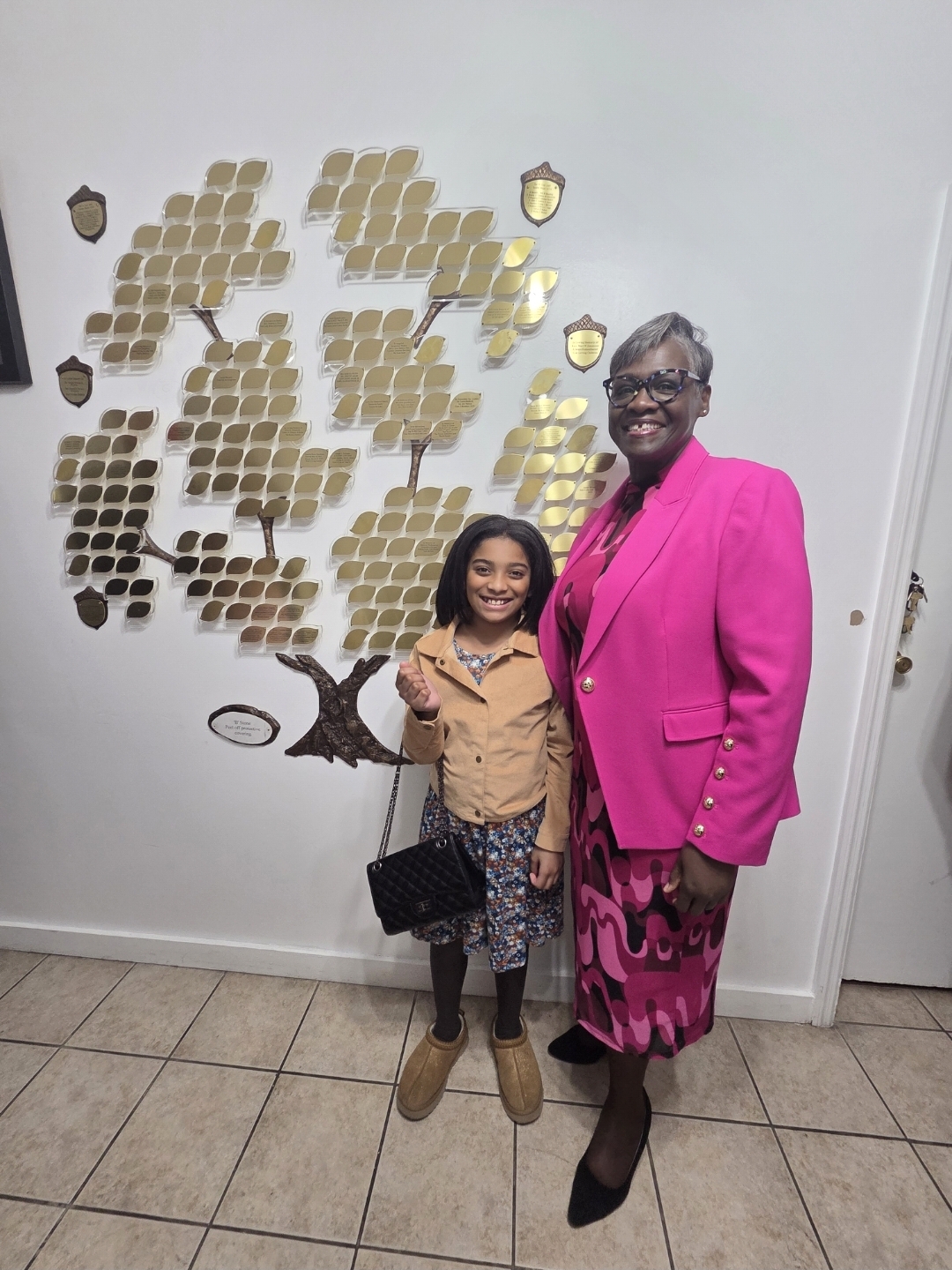
My troop and I worked on our Bishop Vashti Murphy McKenzie Activity Patch. As part of my workbook, I completed activities, including interviews with women pastors about their roles in the African Methodist Episcopal (AME) Church. In honor of Women’s History Month, I interviewed two inspiring leaders: Reverend Orsella Hughes and Presiding Elder Kim Anderson.
The World Methodist Council 2026: Connected in Faith, Mission, and Service
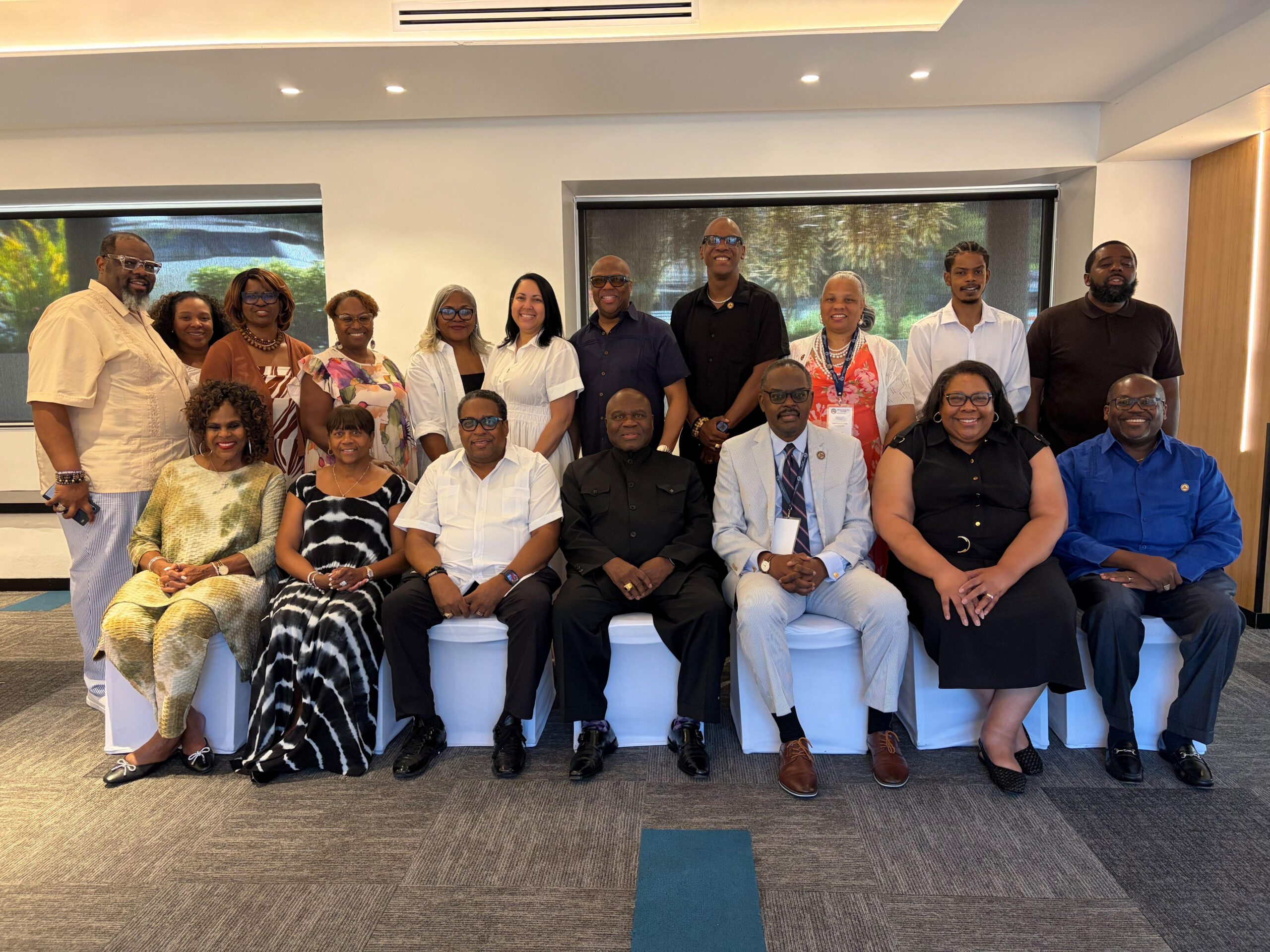
The World Methodist Council brings together more than 80 Methodist, Wesleyan, and related Uniting and United Churches, representing more than 80 million members in 138 countries. The gathering demonstrated what it truly means for Methodists to be a “connection of connections.” While the Council addressed important administrative matters, one of the greatest blessings of an ecumenical gathering like this is the opportunity to meet, listen to, and learn from one another.