

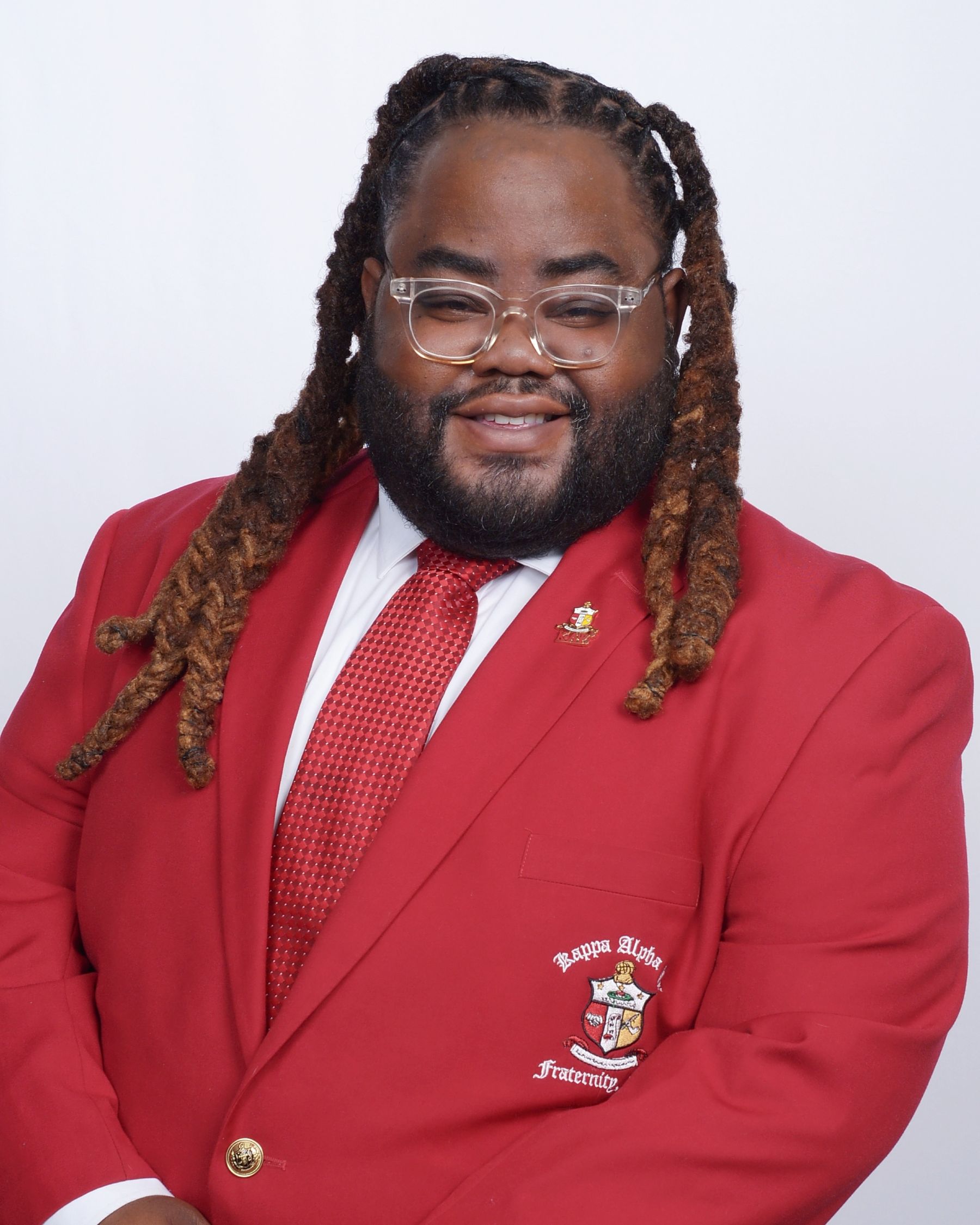
By Rev. Timothy Dorsey, Pastor of Macedonia AMEC in Carrollton, Virginia, 2nd Episcopal District
Every year at Annual Conference in the African Methodist Episcopal Church, pastors sit quietly as the Episcopal Address reminds us that appointments are God-driven. It is a sacred phrase, one that carries weight in our tradition. It reminds us that ministry is not merely administrative placement but a divine assignment. In theory, each pastor is sent by God through the bishop to serve where their gifts are needed most. Yet for many pastors serving in small or rural AME congregations, that statement can feel complicated.
Across the connection, there are countless faithful pastors laboring in churches that are small in membership, limited in resources, and often located in communities that are economically challenged or geographically isolated. These pastors preach every Sunday, visit the sick, bury the dead, counsel the hurting, and keep the doors of the church open—often with little recognition and even fewer resources. They serve not because it is glamorous, but because it is ministry.
Still, a quiet question sometimes lingers in the hearts of those serving in these places: Is this truly a divine appointment, or simply a placeholder?
When bishops announce that appointments are God-driven, the assumption is that prayer, discernment, and spiritual wisdom have guided the process. But pastors in rural settings sometimes wonder if their assignments are less about calling and more about convenience—filling a vacancy, maintaining conference order, or placing someone somewhere until a more desirable position opens.
For some, it can feel like “doing the bishop a favor.”
The reality is that rural ministry requires a unique calling. Small congregations demand creativity, resilience, and deep pastoral care. There is no large staff, no extensive budget, and often no recognition beyond the local community. Yet the work done in these churches is just as sacred as the ministry happening in large, well-resourced congregations.
The AME Church has always had deep roots in rural communities. Many of our historic churches were built by faithful believers who had little money but strong faith. Those churches are not placeholders—they are pillars of spiritual life in their communities.
If appointments are truly God-driven, then the church must reaffirm that ministry in small and rural congregations is not a temporary stop along the way, but a meaningful calling in its own right. The kingdom of God is built not only in large sanctuaries, but also in small country churches where faithful pastors continue to serve with devotion, whether anyone notices or not.


Excellent article. Many of our small rural family churches have deep roots and are the reason we have the so called megachurches and larger congregations. The appointment becomes a divine appointment based on the pastor’s calling rather than the Bishop’s “Godly” judgement.
Rev. Dorsey thank you for writing this article. I have witnessed the failure of rural pastors for many reasons including no support from the Presiding Elder or Bishop. It’s other clergy that have stood in the gap because we understand and care. Stay Strong. ♦️👌🏽♦️
Thank you Rev. Dorsey for your thoughts. This is the part “The reality is that rural ministry requires a unique calling. Small congregations demand creativity, resilience, and deep pastoral care. There is no large staff, no extensive budget, and often no recognition beyond the local community. Yet the work done in these churches is just as sacred as the ministry happening in large, well-resourced congregations.” that really hit home. Thank you for saying it out loud…
Rev. Dorsey,
Thank you for sharing your thoughts regarding this topic. I agree with your statement, wholeheartedly. In addition, my favorite verse in The New Testament is, “And we know that all things work together for good to those who love GOD, to those who are the CALLED for HIS PURPOSE!” It works out, ultimately, not necessarily by the Episcopal Office, but by The I AM THAT I AM GOD. Walking by faith and working in faith will provide a Crown Of Righteousness in due time!
Thank you for your discussion, Rev. Dorsey!