

Category: Ecumenical
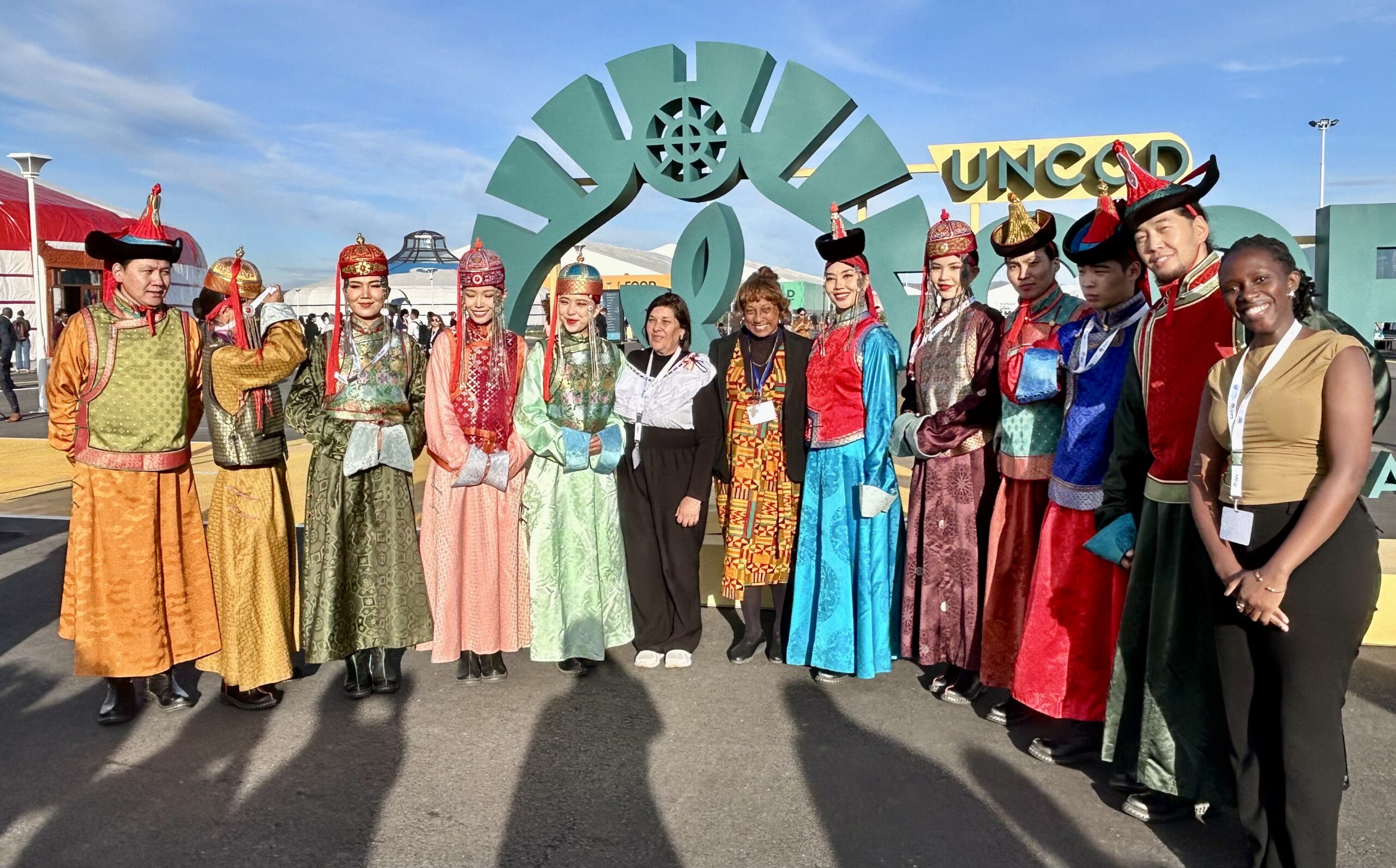
Reflecting on the UN’s International Year of Rangelands and Pastoralists
Land degradation and massive land loss in the Pan African community in the United States stems from systemic racism, discriminatory government lending, and predatory legal practices. These have reduced Black farm ownership from 15 million acres in 1910 to a tiny fraction today. This process destroyed generational wealth and concentrated Black populations in environmentally vulnerable areas. These issues are explored further in Bread for the World’s Pan African Devotional and Racial Wealth Gap Simulation.

White Christian Nationalists’ Love of ICE and Concentration Camps, in Three Charts
ByRobert P. Jones, Ph.D. President and Founder, Public Religion Research Institute (PRRI) As the empirical evidence for the threat white Christian nationalism presents to pluralistic democracy has mounted over the… Read More »
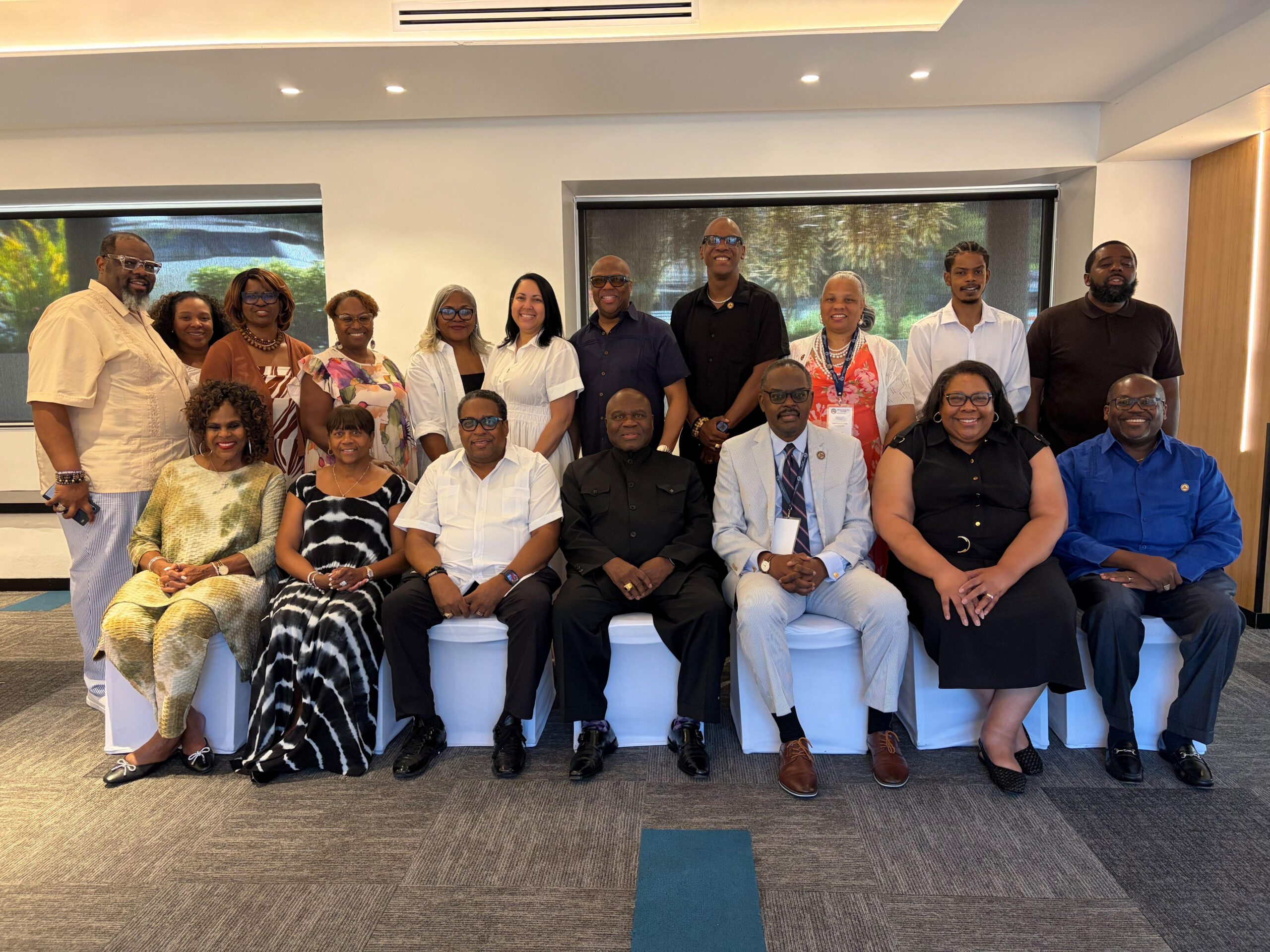
The World Methodist Council 2026: Connected in Faith, Mission, and Service
The World Methodist Council brings together more than 80 Methodist, Wesleyan, and related Uniting and United Churches, representing more than 80 million members in 138 countries. The gathering demonstrated what it truly means for Methodists to be a “connection of connections.” While the Council addressed important administrative matters, one of the greatest blessings of an ecumenical gathering like this is the opportunity to meet, listen to, and learn from one another.
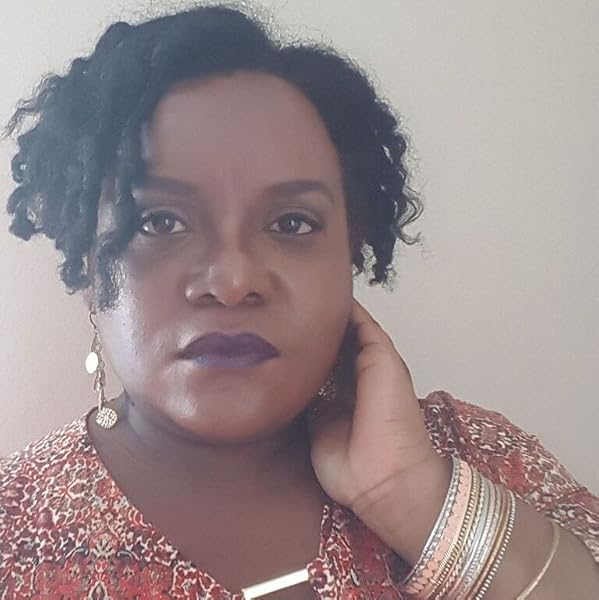
Rights & Rituals Black Women and Joys of Imagination
As the new academic year kicks off, I am excited to embark on the third phase of my Theologies of CARE (Compassionate, Authentic Reproductive Health Equity) Initiative. The spark of the idea four years ago, after the reversal of Roe, is now a fire.
Rights & Rituals: Black Women and The Love Letter of Our Lives
This master seamstress, as her obituary stated, taught men and women “how to cut our lives out after the pattern of Allah (God).” She is surely a member of the contemporary sewing circles of Dorcas and Daughters of the Conference who mend more than clothes. Her remembrance echoes words from my column announcing my AME women’s anthology project: “We are stitching threads of faith into the sacred seams of our communities with hands of love.”

New PRRI Poll: At 250, Americans are Disillusioned, but Most Still Embrace Our Noblest Ideals
Asked to choose between two statements, Americans are more than twice as likely to agree that “we are in real danger of losing important democratic rights and freedoms” than to agree that “the important democratic rights and freedoms we have will remain protected” (68% vs. 29%). In a pattern that repeats itself throughout the survey, overwhelming numbers of Democrats (86%) and independents (70%) agree with the first statement, while Republicans are divided between the two statements (51% vs. 47%).
Rights & Rituals Black Women and the Sage We Breathe
After spearheading four months of collective discernment with the congregation of Metropolitan African Methodist Episcopal Church in Washington, D.C., my co-lead and I established the Immigration Ministry in June last year while celebrating National Caribbean American Heritage Month.
Asbury Theological Seminary cut by United Methodist Church over same-sex marriage issue
“Many in our conference will receive this news with disappointment and sadness,” wrote Bishop David Graves, leader of the UMC Kentucky-Tennessee Episcopal Area. “I share those feelings. For many clergy and laity across Kentucky and Tennessee, Asbury is more than an institution. It is a place where faith was deepened, callings were clarified, friendships were formed, and lives were changed.”
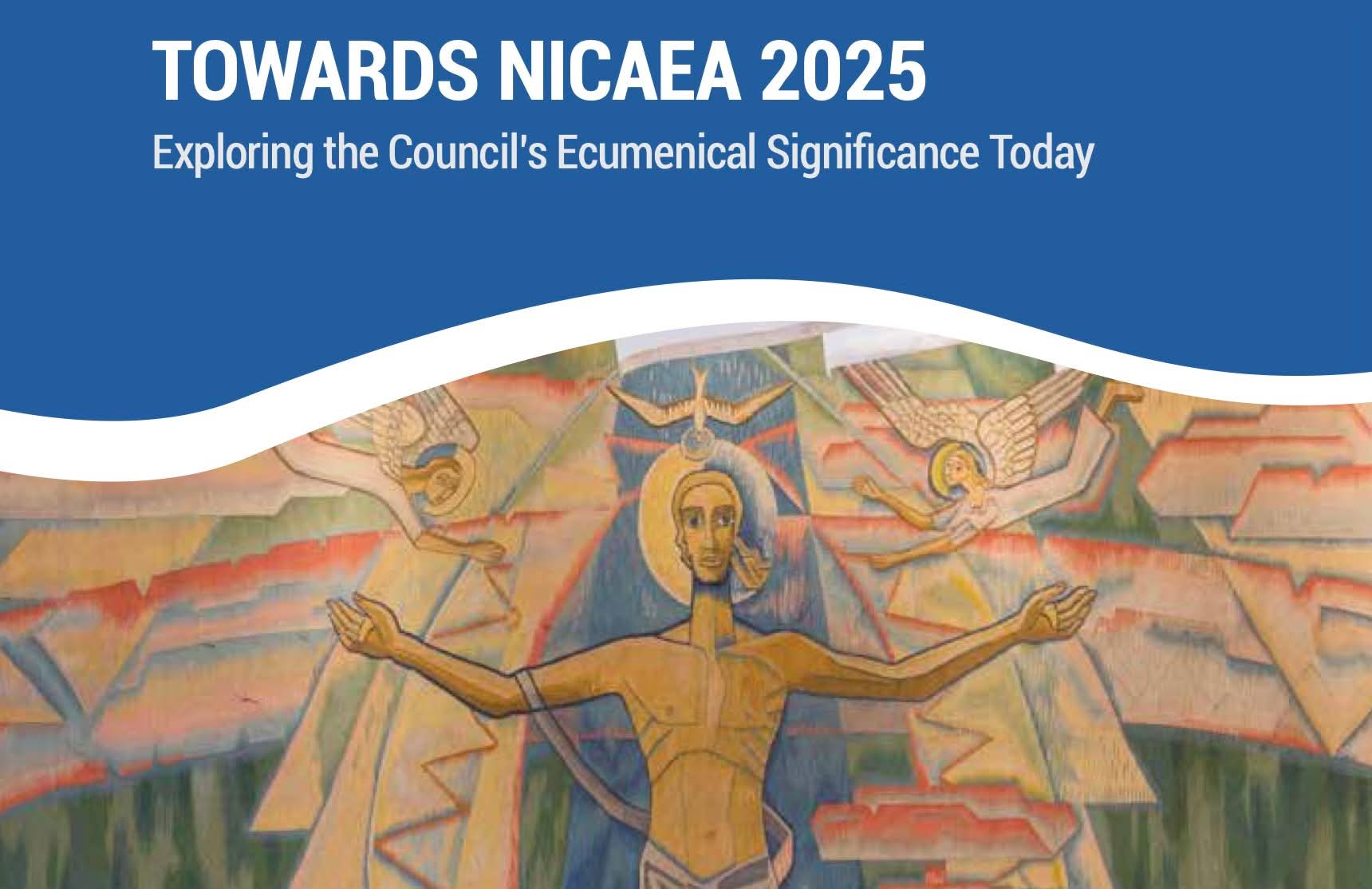
Towards Nicaea 2025: Exploring the Council’s Ecumenical Significance Today
The Reverend. Dr Kuzipa Nalwamba, WCC programme director for Unity, Mission, and Ecumenical Formation, reflected that a council without mission is a museum piece.
Recognizing the Legacy, Impact, and Limits of Juneteenth Today and Tomorrow
Juneteenth, established on June 19, 1865, commemorates the date when Union soldiers arrived in Galveston, Texas, to announce that the Civil War had ended and that all enslaved Black Americans were free. This fundamentally moved the country toward “a more perfect union,” as stated in the Emancipation Proclamation of January 1, 1865. The Emancipation Proclamation and Juneteenth together reflect the deep lamentations and the hopes of people of African descent in the United States.
Rights & Rituals: Black Women and Nonviolent Intimacy
Brokering peace takes the same formation from war paths, through the streets, and into our homes. Black women are more than twice as likely than white women to be killed by an intimate partner. Our bedrooms are battlefields. But we can write a new testament of intimacy that does not threaten our lives to stay or chase us to death if we leave. An intimacy that holds us without violence. An intimacy that is peace, that cherishes and generates peace.
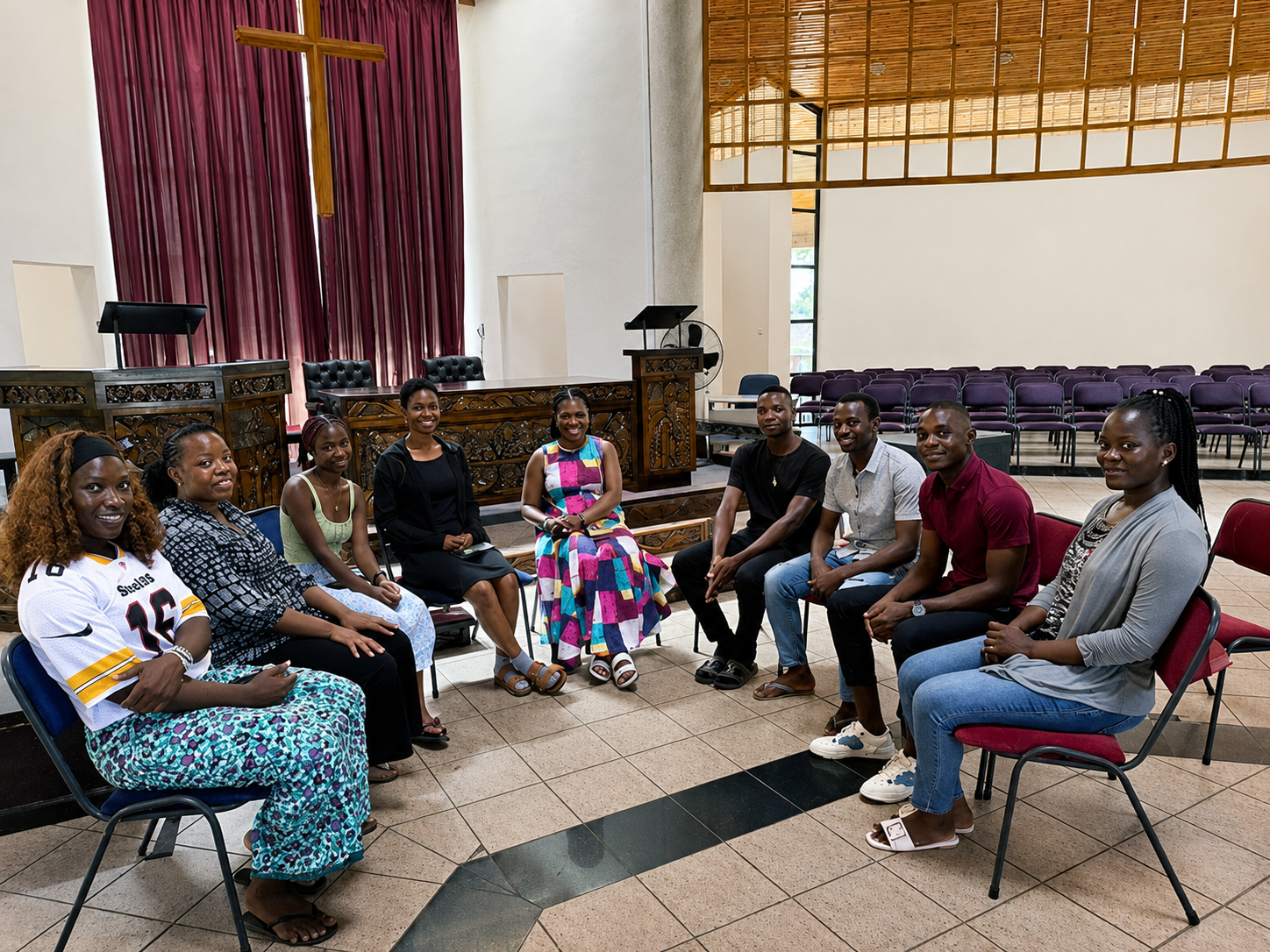
Africa University gets first AME member on development board
Monifa McKnight, 50, an entrepreneur and educator from Maryland, is the first non-United Methodist to sit on the executive board of Africa University (Tennessee) Inc.
The African Methodist Episcopal lay member, who spent 26 years working in kindergarten to grade 12 education, was excited to be appointed to the board of a tertiary institution.