

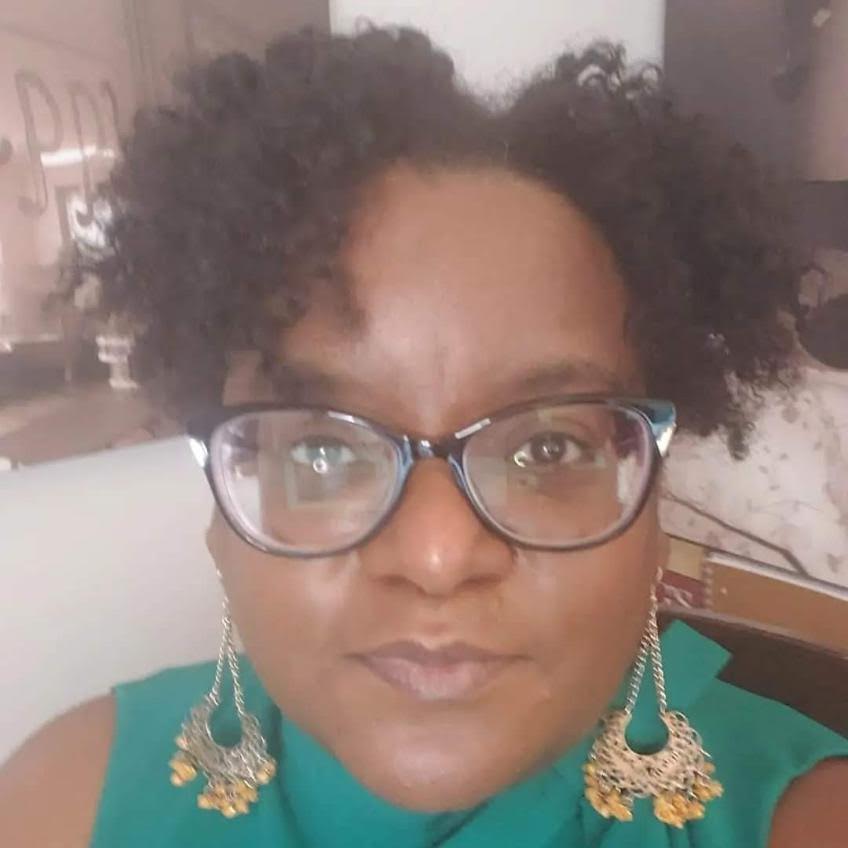
by Dr. Dora Muhammad
Too many of us need to cling to a notion of love that either makes abuse acceptable or at least makes it seem that whatever happened was not that bad. – bell hooks
I became friends with Dr. Cerina Wanzer Fairfax through my professional work with her husband. I found it poignant for Virginia to raise its flags at half-staff to honor her and all domestic violence victims on the day of her funeral because the order came from the Commonwealth’s first female governor. Even though the country approaches its 250th anniversary under the theme, “Our Shared Future,” political will shrouded in religious belief is eroding women’s rights and representation.
Flowers and pampering care on Mother’s Day (singular) have suppressed the original concept of Mothers’ Day (plural). In “An Appeal to Womanhood Throughout the World,” Julia Ward Howe espoused that a woman should be “a free agent, fully sharing with man every human right and every human responsibility.” She inspired Mothers’ Day festivals to amplify peace doctrines in response to the “return to barbarism” of the Civil War and Franco-Prussian War. A Women’s Peace Movement emerged as a responsibility of motherhood, declared “a new testament to the old ordinances.”
Brokering peace takes the same formation from war paths, through the streets, and into our homes. Black women are more than twice as likely than white women to be killed by an intimate partner. Our bedrooms are battlefields. But we can write a new testament of intimacy that does not threaten our lives to stay or chase us to death if we leave. An intimacy that holds us without violence. An intimacy that is peace, that cherishes and generates peace.
My “Celebrate Safety” campaign has led me to facilitate group sessions with countless women who never applied the definition of domestic violence to their circumstances or considered themselves survivors. Women will not seek resources they think are irrelevant or they are ineligible to receive. Every institution should share pathways to thrive in affirmative ways that remove stigma and shame. Other practical avenues to assist survivors—build affordable housing designated as transitional housing or a safe house and galvanize behind advocacy to sustain support networks.
In Virginia, archaic laws around property abandonment are grounded in a religious conservatism that keeps spouses caged with their abusers for one year before filing for divorce. I have friends who have shared living arrangements through amicable separations to maintain stability for their children or as a strategic financial marital off-ramp amidst today’s economic chaos. Virginia finally eliminated this requirement in no-fault cases this year, but bills seeking to remove this requirement for “divorce of bed and board in fault cases of cruelty” and bodily harm failed once again. Surely, now everyone will agree it is a dangerous barrier when escaping violence.
A shift in spiritual care must move churches to offer divorce care support groups where discussing mental health is no longer taboo. Suicidal ideation takes several forms and the most dangerous—fatalistic—took Cerina away from us too soon. We can center Black women and not exclude Black men. I witnessed a remarkable moment when a couple’s domestic violence showed up on the doorsteps of a friend’s church. The men ministered to the husband, while we women helped our sister create a safety plan. Uplift shelters that offer support groups for batterers. Prevention should include redefining masculinity for our boys away from patriarchy that rests in God solely as father-figure.
Pick a layer. Dive into a dimension. Expand the nuance. As the quote on the cover of Cerina’s obituary exhorts us: “Do small things with Great Love – Mother Teresa.”
Dora is the principal of Creative Grace, LLC and founder of The AWARE Project (Advocacy for Women’s Activism, Rights & Empowerment). She is the Ambassador to Women for the Institute of Caribbean Studies and Theologies of CARE consultant at Faith in Public Life.



Dr. Muhammad, thank you for this thoughtful and necessary piece. Your framing of safety, intimacy, spiritual care, and public witness is both pastoral and prophetic. I especially appreciated the invitation to “pick a layer” and begin somewhere.
As I read, I found myself open and curious about how my own local church might bear witness more faithfully and offer relevant ministry around the needs you named.
This gave me much to reflect on, not only as a reader, but as someone committed to ministry that meets people where pain, faith, policy, and survival intersect. Thank you for expanding the conversation with such care and clarity.