

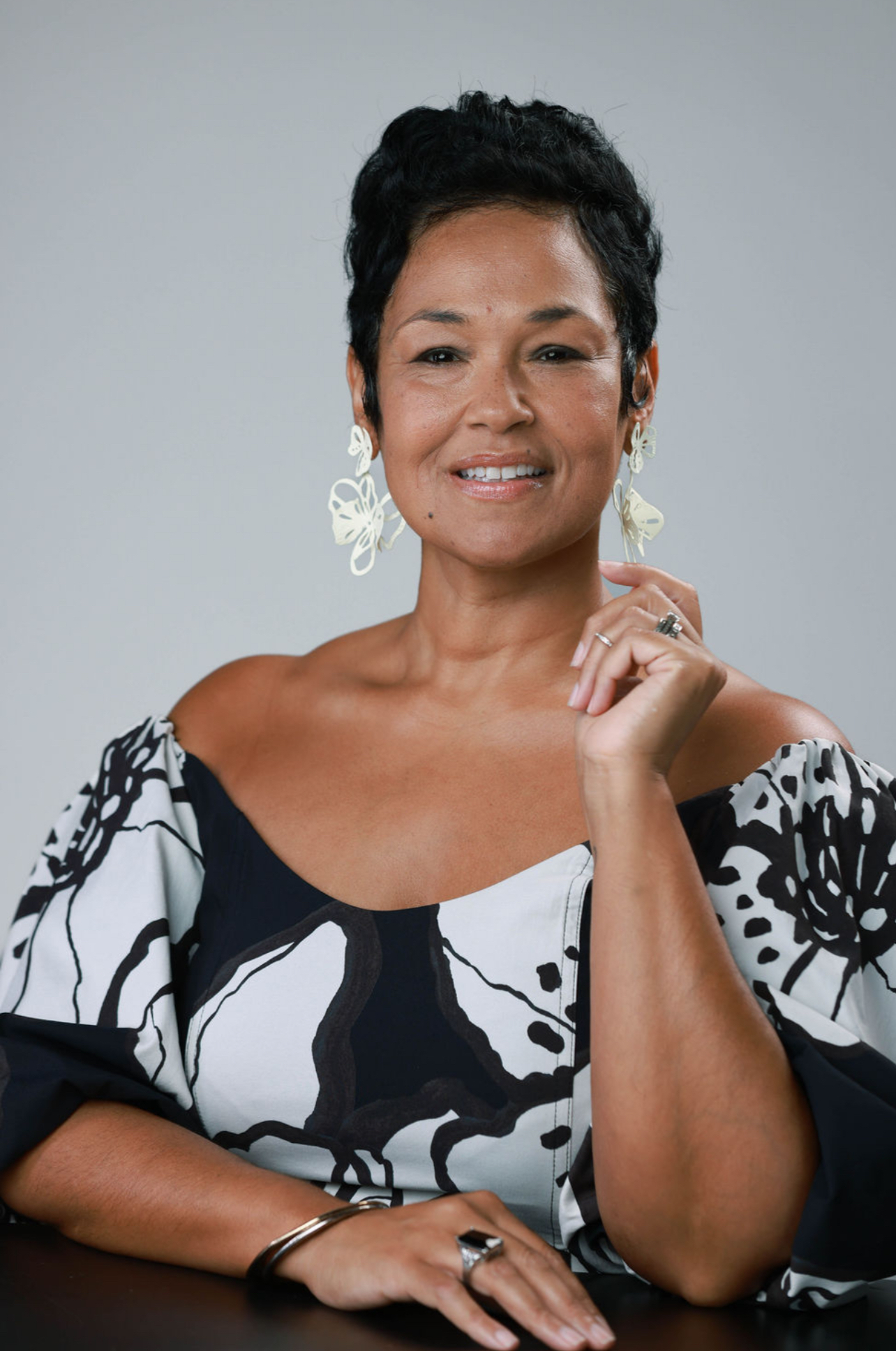
By Rev. Tameaka Reid Sims, 11th Episcopal District
Seminary has a way of exposing assumptions. This spring, during a course on sexual ethics, I expected to sharpen positions I had held for years. Instead, I found myself wrestling with a different question altogether: Whose theology is it anyway? Not who wrote, preached, or defended it; rather, whose realities were present when it was formed? And perhaps just as importantly, whose experiences were absent?
Admittedly, I have lived comfortably shaped within the traditions of the church. Like many clergy, I inherited theological frameworks that helped make sense of Scripture, ministry, and the world around me. They felt settled. Reliable. Complete. Then Dr. David Fitch interrupted that certainty, not by telling me what to think, but by creating a classroom where long-held assumptions could be examined rather than merely defended.
As we read, engaged, examined Scripture, and wrestled with thoughts surrounding gender, sexuality, identity, and ethics. What surprised me was not that I encountered perspectives different from my own. Seminary invites that kind of engagement. What surprised me was how often I found myself challenged to see simply.
I knew transgender, bisexual, and homosexual people existed. I have never wished harm upon anyone, nor have I ever preached hatred from a pulpit. I have loved people across many kinds of differences and genuinely believed I was doing the work the Gospel required of me. Yet, I began to realize there is a distinction between acknowledging someone’s existence and thoughtfully considering their experience. I had never slowed down long enough to think theologically about their lives – not as issues to be debated or positions to be defended, but as human beings created in the image of God. Human beings carrying stories, hopes, disappointments, questions, and realities. This realization is not a confession of malice. It is a confession of speed. Of assumption. Of a formation so complete that it quietly narrowed my theological imagination without my noticing.
The deeper lesson of the semester had less to do with sexuality than I initially believed. It had everything to do with attention. I began to wonder: What do we miss when our theological conversations focus more on categories than on human beings? How often do we discuss people without ever truly hearing them? These questions feel especially significant within the African Methodist Episcopal Church.
Our denomination was born because people refused to accept inherited limitations as the final word. Richard Allen and those who walked with him looked upon exclusion and envisioned something different. They challenged assumptions about who could lead, who could worship, and who was worthy of dignity. The founding impulse of the AME Church was not merely resistance to injustice. It was a profound theological affirmation of Black humanity in a society determined to deny it. We celebrate that story often, and rightly so.
What I am beginning to contemplate, however, is whether every generation is called to undertake a similar work of theological examination. Not necessarily to reach the same conclusions, but to ask whether the frameworks we have inherited are helping us see more clearly, or preventing us from seeing at all. Who remains absent from our conversations? Whose experiences have we failed to consider? What voices might deepen our understanding if we were willing to listen? And how do we distinguish between faithfulness to the Gospel and faithfulness to assumptions we have simply grown accustomed to holding?
I am not writing this to tell the church what to believe about gender or sexuality. I am not equipped to resolve in a few hundred words what theologians have debated for decades. What I am offering instead is a reflection on what happened when a classroom forced me to slow down and pay closer attention.
Theology is never merely an intellectual exercise. It shapes how we welcome, how we listen, how we teach, and how we love. The Gospels are filled with people who lived at the edges of accepted categories: the woman at the well, the Ethiopian eunuch, and those who kept showing up at the margins of the crowd, hoping Jesus would not look past them. He never did.
The classroom did not leave me with easy answers. If anything, it left me with deeper questions about discipleship, humility, listening, and the ongoing work of theological formation. Perhaps that is the work before us. Not the pursuit of easy answers, but the courage to keep listening, learning, and making room for conversation.



Shalom, Sister Tameka
Man and his Theology is the problem with the division amongst people. All Religious doctrine do not present the proper context in which the original scriptures were written in. The scriptures have nothing to do with Religion. Religion is the worship of God or Gods. Christ would never leave man with the idea of worshipping another God.
Religion goes completely against the 1st commandment. To worship Christ specifically is different than just referring to him as God. Theologians, like you just stated has many different assumptions about the interpretation of scripture because they couldn’t come to a common understanding! There is only one understanding and interpretation of the scriptures. Christ Never intended for theological assumptions but Truth with clarity and transparency. That’s why the Bible is for Only a specific people called Israelites. Other nations did Not receive the anointing of Christ as his Kingdom of Priests as an Everlasting covenant from Abraham. Exodus 19:6 KJV
And ye shall be unto me a kingdom of priests, and an holy nation. These are the words which thou shalt speak unto the children of Israel. Not Christians.
They don’t Teach that in seminary school do they? The Christian doctrine is False according to scripture, Christ is represented by a bloodline people not a religious Idea to control the mass promoting propaganda for profit.
Christ Never mentioned anything about a Christian and he Never authorized Christianity as a Faith!
Matthew 15:24 KJV
But he answered and said, I am not sent but unto the lost sheep of the house of Israel. Not Christians, Shalom🕎
My Dear Brother,
Thank you for engaging so deeply with Scripture. I hear real conviction in what you’ve written, and questions about covenant, identity, and who Christ came for are ones the church has wrestled with since Acts. Peter, Paul, and the early Jerusalem council all worked through exactly this tension. I won’t try to settle centuries of that debate in a comment thread.
What I was reaching for in this piece was actually a step before those conclusions: not who’s right about doctrine, but whether we’re even pausing to listen to one another before we decide. That’s the work I’m inviting…for myself especially.
I appreciate you taking the time to respond, and I wish you well.
Hello, Rev. Tameka:
Thanks for having the courage to publicly address a subject that still manifests tension between and in many of us.
Certainly, seminary demands that e we deeply ponder long-held beliefs. And while some will not reject what they have embraced for decades, discussions such as this one compels us to examine these subjects again and again.
I appreciate your remarks. Really.
So thank you. And the Lord continue to bless you!
Your North Ohio WIM sister,
Rev Rose Russell
Thank you for your very thoughtful reflection; for without reflection there can be no transformation. May your willingness to keep listening draw you even closer to the Divine.
Thank you kindly for your response and prayers. This in indeed God’s church intended for ALL of His children.
Very interesting and enlightening critique. Food for thought