

Archives
Seek the Welfare of the City: The Work After November 3rd
Tuesday, November 3rd, 2026 was a day beyond words. Black women in particular were elected to pivotal posts across local, state, and federal government. Yet even as we celebrate, we must remember that this moment can be sustained only through the deep, transformative work of education and moral formation: civic, theological, spiritual, and social. This is not an invitation to push a Democratic or Republican Jesus or a blue-toned Christian nationalism. It is a call to equip those within our pastoral care to recognize and stay engaged in the struggle to make the Gospel real, tangible, and material for the people of God and the world, through both policy engagement and spiritual practice.
Black Women Make Big (Blue) Waves. Again.
After a disappointing loss in 2024 where more than 92% of Black Women voted for the candidate that was for the common good of the country, many Black Women said they were retiring from carrying this country on their backs. There were articles criticizing Black Women for making such statements, declaring that it was irresponsible to say we need a rest. What many failed to understand was that taking a rest did not mean abandoning the work.

Beyond the Conference: Faith, Leadership, and the Responsibility to Open Doors
Returning to Washington, D.C., for the Congressional Black Caucus Foundation’s 55th Annual Legislative Conference was a full-circle moment. The conference brought together policymakers, clergy, scholars, advocates, and emerging leaders to discuss challenges facing Black communities and the policies needed to advance equity and opportunity. Throughout the conference, conversations about education, economic opportunity, civil rights, and the future of our democracy underscored that public service is more than a career. It is a calling that demands integrity, humility, and compassion. For me, the week reinforced a lesson rooted in my upbringing in the African Methodist Episcopal Church: faith must be demonstrated not only through what we believe, but also through how we serve.
Rev. David Green, Jr. appointed to Bethel, Pensacola
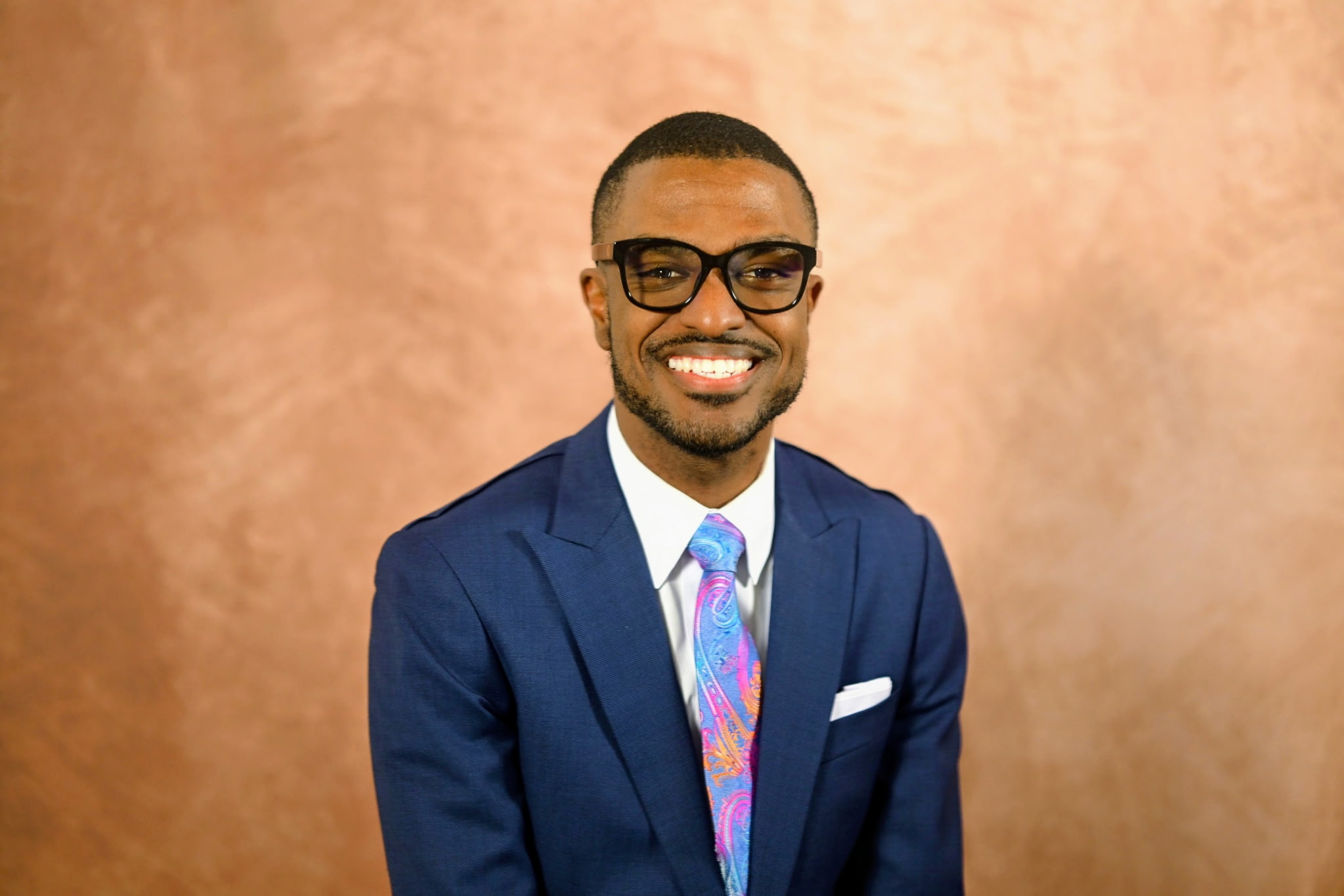
At the Closing Commissioning Service of the 136th session of the South Annual Conference, Bishop Marvin C Zanders II appointed the Rev. David W. Green, Jr. the Pastor of Bethel AME Church Pensacola, Florida. Bethel Pensacola is the First Church in the Pensacola – Panama City District. Reverend Green earned an Associate of Arts in Religion from Santa Fe College in 2019 and a Bachelor of Arts in Religion from the University of Florida in 2021. He completed a Master of Divinity in May 2023 and is currently pursuing a Doctor of Ministry at The Samuel DeWitt Proctor School of Theology at Virginia Union University.
The Color of Florida’s Political Future: A Test of Race and Political Power
This time, the Republican nominee for governor is Byron Donalds, a Black congressman who rose politically through the Tea Party movement and later became a prominent ally of Trump. At the same time, State Rep. Angie Nixon, a progressive Black Democrat from Jacksonville and a Democratic Socialist, has secured her party’s nomination for the U.S. Senate. Black voters are not obligated to support a candidate simply because he is Black. A Black face in a high place does not automatically mean that Black communities will have a meaningful place in public policy. The question is no longer simply whether Florida can elect a Black candidate statewide. The deeper question is: What kind of Black candidate is Florida willing to elect, and which voters will be willing to elect one?
The Burden and Blessing of the Pen
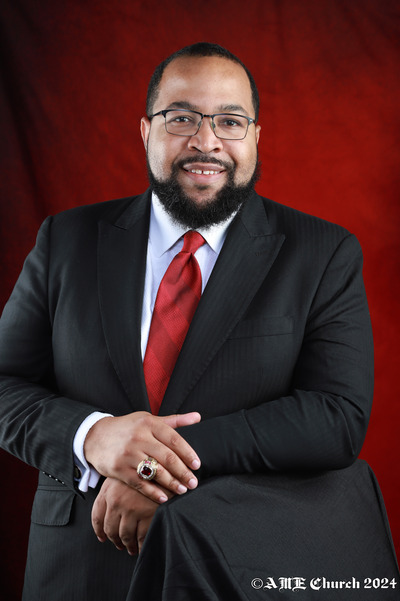
By John Thomas III, Ph.D. On August 1, 2016, I formally assumed my duties as Editor of The Christian Recorder. After a transition conversation and pep talk from my predecessor,… Read More »
THE IMPACT OF ZAMBIA’S TOURISM IN LOCAL COMMUNITIES
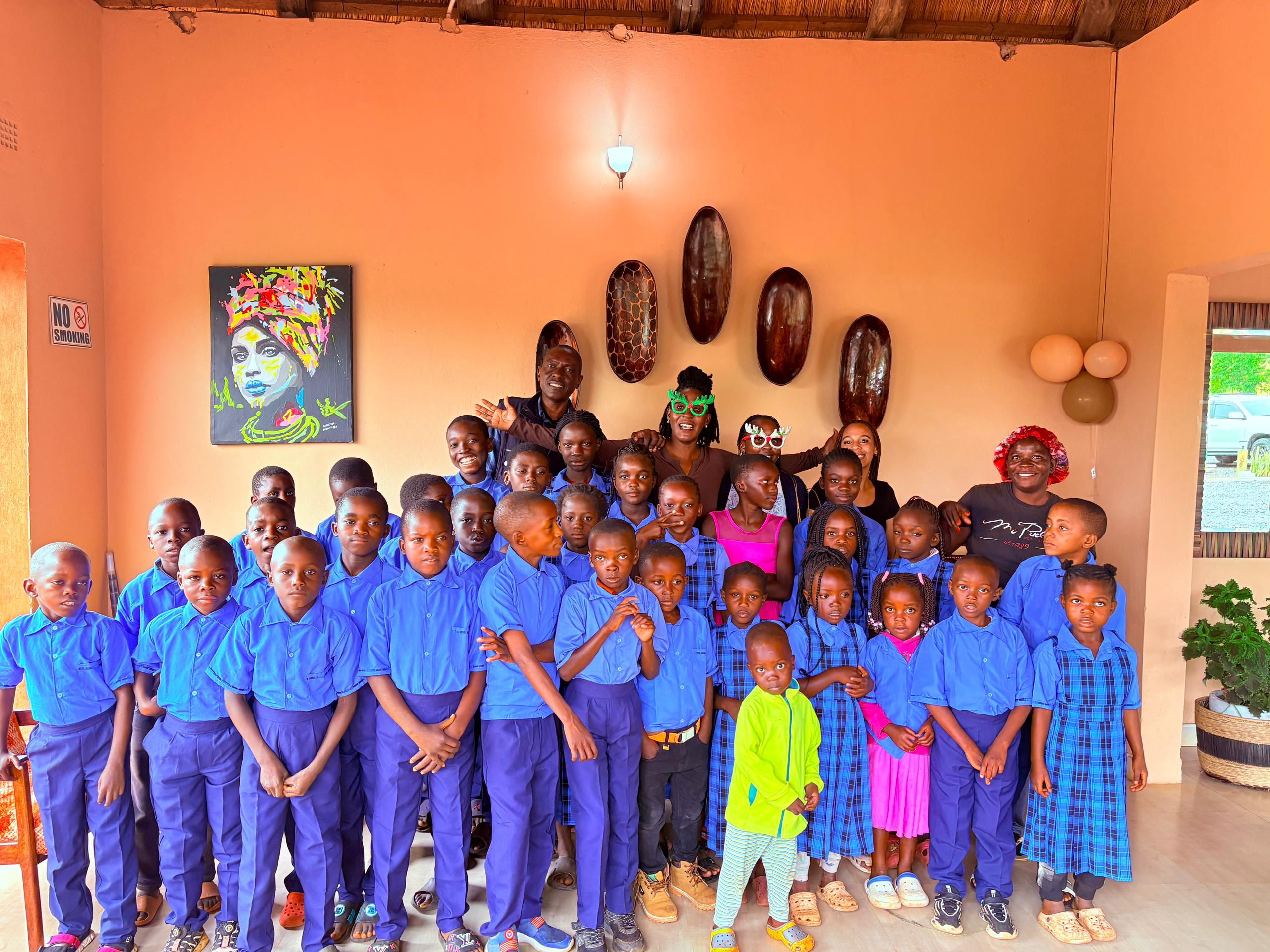
Local officials view tourism as a critical economic sector because it generates employment and directs financial benefits straight to indigenous communities. A prime example is the Nkhosi Livingstone Lodge and Spa, located in Mukuni Village, one of Zambia’s oldest and most historic communities. To ensure tourism revenue directly benefits the immediate community, the company prioritizes tangible economic partnerships. For example, it sources handcrafted furnishings directly from local village artisans and incorporates locally grown ingredients throughout its dining experiences. Travel significantly impacts local communities by blending culture, adventure, wildlife, heritage, and business.
A Dream Deferred for Such a Time as This Deaconess Dr. Opal Lee Multipurpose Center Grandmother of Juneteenth
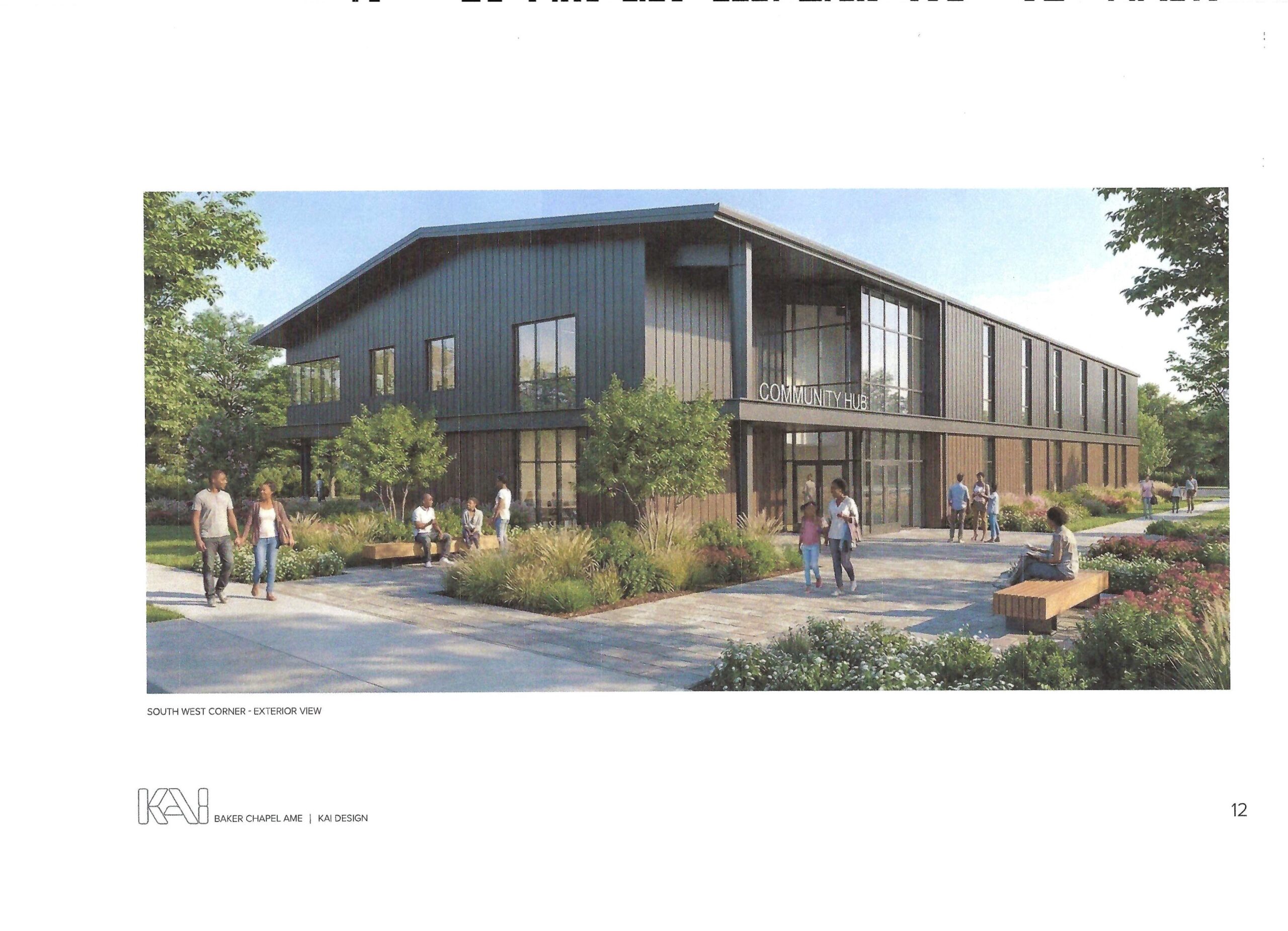
The mission of the Multipurpose Center is to serve and uplift the community through services and outreach initiatives. It is designed to foster a thriving, resilient, and unified Historic Southside community in the city of Fort Worth—a place where every individual feels valued, safe, and empowered. The Center is designed as a 12,000-square-foot, two-story facility featuring space for a basketball court; a walking track commemorating the historic 2.5-mile walk of Deaconess Dr. Opal Lee; a chapel; banquet and meeting spaces; training classrooms; a commercial kitchen; offices; a health clinic; referral services; and a spacious outdoor pavilion for community gatherings.
Global Methodist Church Concludes Historic 2026 General Conference in Johannesburg
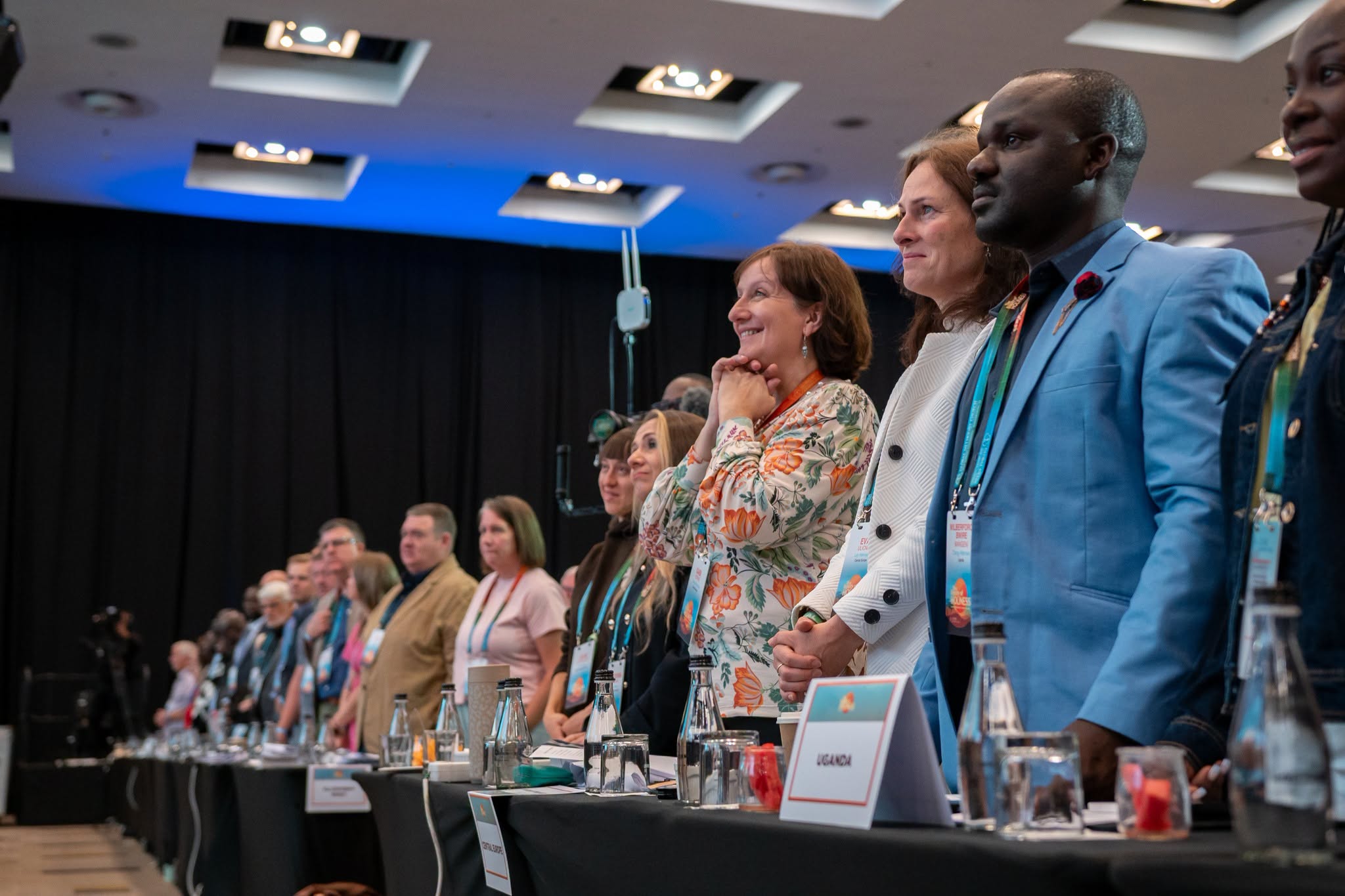
Gathered under the theme “The Beauty of Holiness,” clergy and lay delegates from across the global connection spent the week worshiping together, discerning the future of the Church, considering 451 petitions, electing denominational leaders, strengthening ecumenical relationships, and celebrating the extraordinary work God has done in the four years since the Global Methodist Church officially launched. The gathering marked the first General Conference of the Global Methodist Church held on the African continent and only the second General Conference in the denomination’s history.
Reflecting on the UN’s International Year of Rangelands and Pastoralists
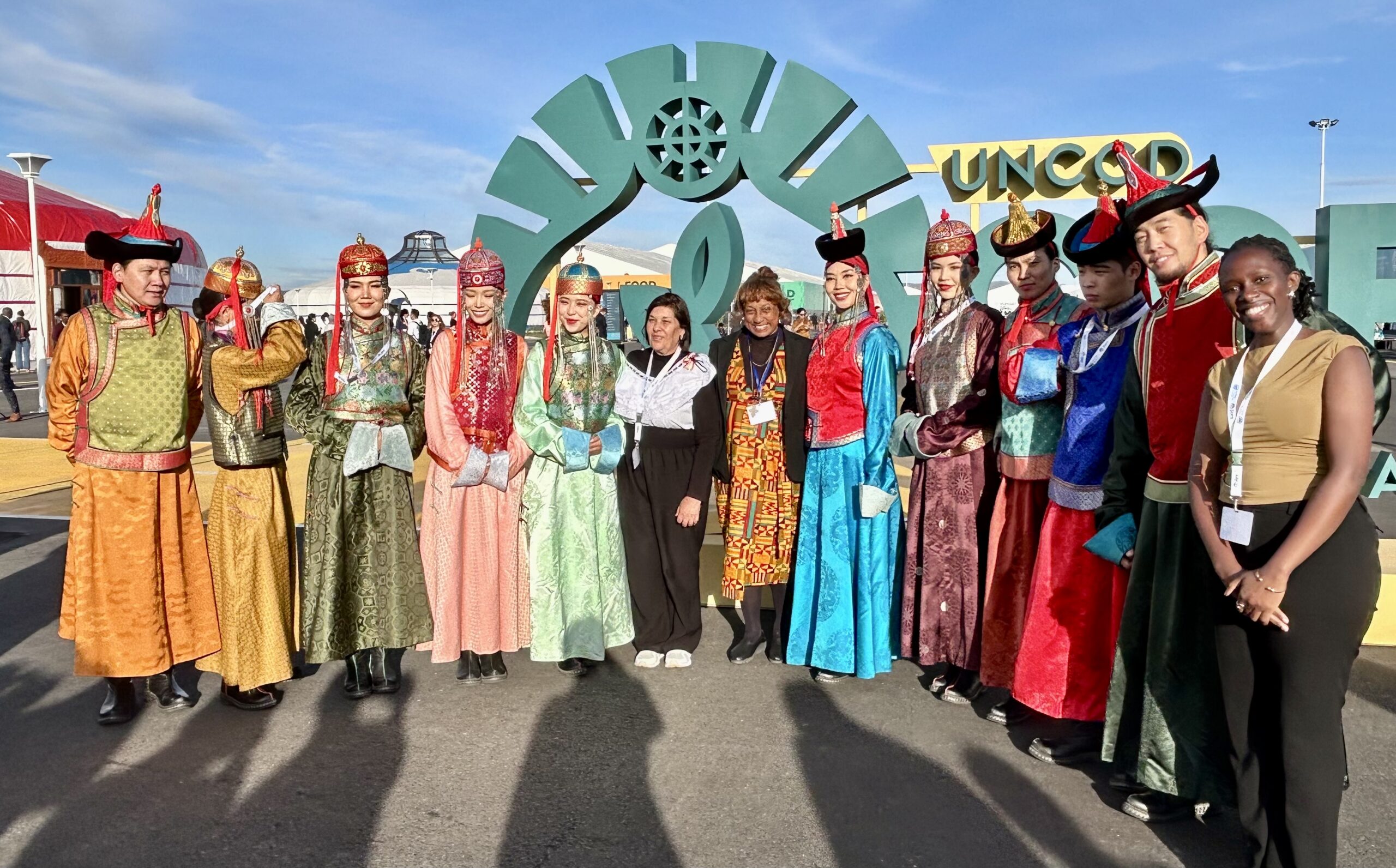
Land degradation and massive land loss in the Pan African community in the United States stems from systemic racism, discriminatory government lending, and predatory legal practices. These have reduced Black farm ownership from 15 million acres in 1910 to a tiny fraction today. This process destroyed generational wealth and concentrated Black populations in environmentally vulnerable areas. These issues are explored further in Bread for the World’s Pan African Devotional and Racial Wealth Gap Simulation.
Why Are We Here Again?
Our ancestors’ laurels are not for us to merely romanticize. We are not to sit docile nor wallow in the nostalgia of their endeavors. It is not for us to misappropriate their progress as permission to pause the fight. It is time for this administration and all following to heed to the certitude that though our bodies are no longer the commodity up for auction, they do not possess the power to make our rights the replacement. Nevertheless, we continue demanding access to exercise the same liberties as the corporations riddled with greed, the guns that tear our schools apart, and a music industry that promotes our pain instead of our power. Will we continue to hypothesize and theorize our perils or will we leverage our forerunners’ advancements for propulsion into a new national order?
The AME Church Can Serve as Our Nation’s Hope
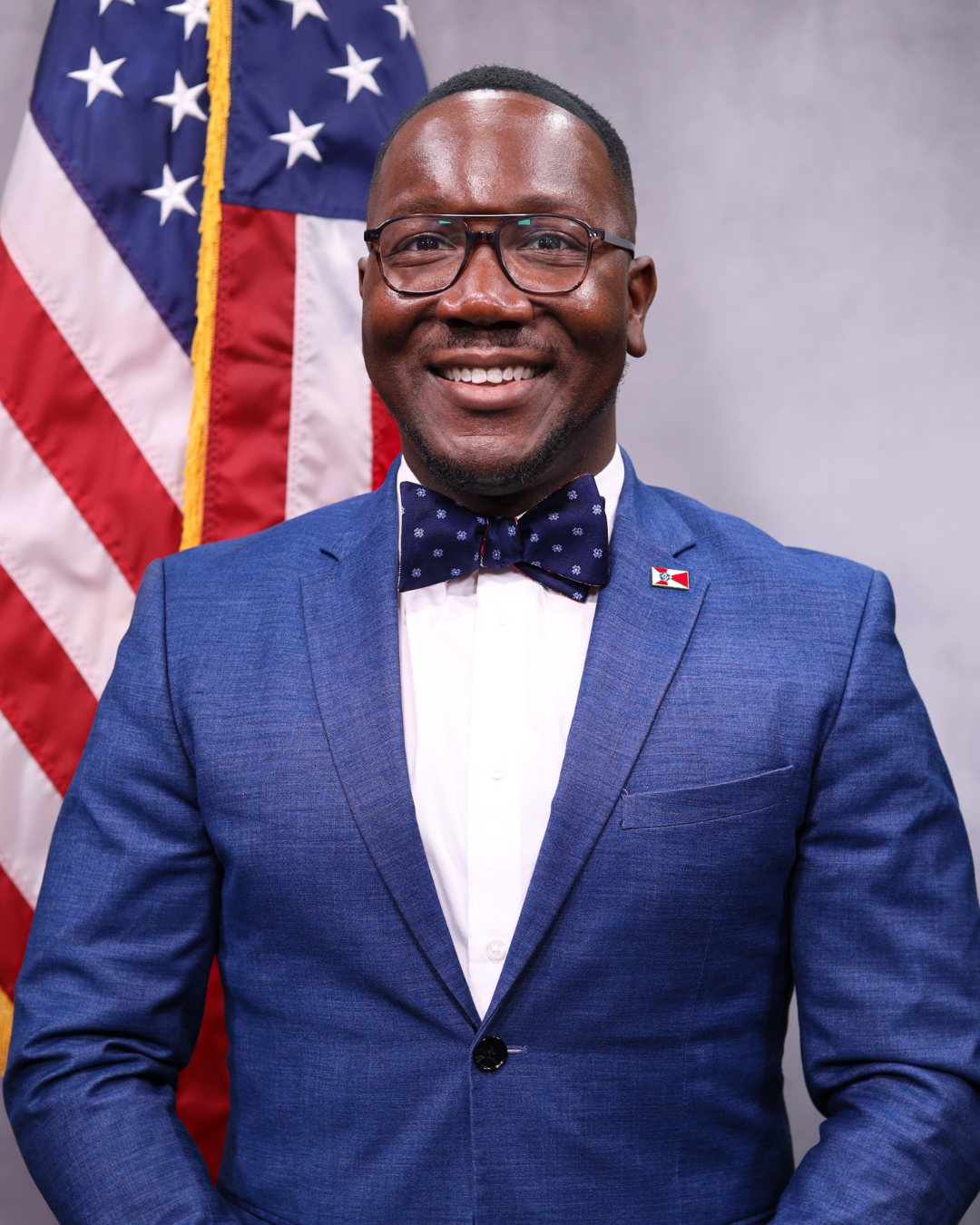
God reminds us that weeping may endure for a night, but joy comes in the morning. As an elected official in Kansas’ largest city, representing nearly 70,000 constituents, many of whom live in communities facing economic disinvestment, environmental injustice, and poverty, I often think not only about where I find hope, but also about how I can help make that hope available to the people I represent.