Situated in southern Africa, the land linked nation of Zambia covers 290,586 square miles (752,614 square kilometers) and is bordered by eight countries, including Tanzania, Namibia, Botswana, Malawi, Mozambique, Zimbabwe, DRC and Angola.
Named after the Zambezi River, this nation gained independence from British colonial rule in 1964. Its capital city is Lusaka. Lusaka became the capital of Zambia in May 1935, chosen for its central location. The city was elevated to city status by royal charter 25 years later. It was built on the site of a village named after its headman, Lusakasa, which was located at Manda Hill near parliament.
Zambia has a tropical climate defined by three distinct seasons:
- December to April: Warm and wet
- May to August: Cool and dry
- September to November: Hot and dry, with October marking the hottest month of the year.
The country holds the largest freshwater resources in southern Africa and boasts more than 20 waterfalls. Zambia has a population of approximately 22 million, featuring 73 ethnic groups, seven main languages and the official language is English. There are more than 30 annual traditional ceremonies.
Zambia has rich tourism resources. Exploring the country reveals how much it has to offer, from its natural beauty to its wilderness landscapes. The region features historic sites, including ancient rock art, burial grounds and small villages of thatched-roof huts that have existed in the area since the Iron Age.
Zambia’s five national museums offer visitors a well-preserved look into the country’s natural, cultural and political heritage.
The national museums are located in the capital city of Lusaka, as well as in Livingstone, Ndola, Mbala and Choma.
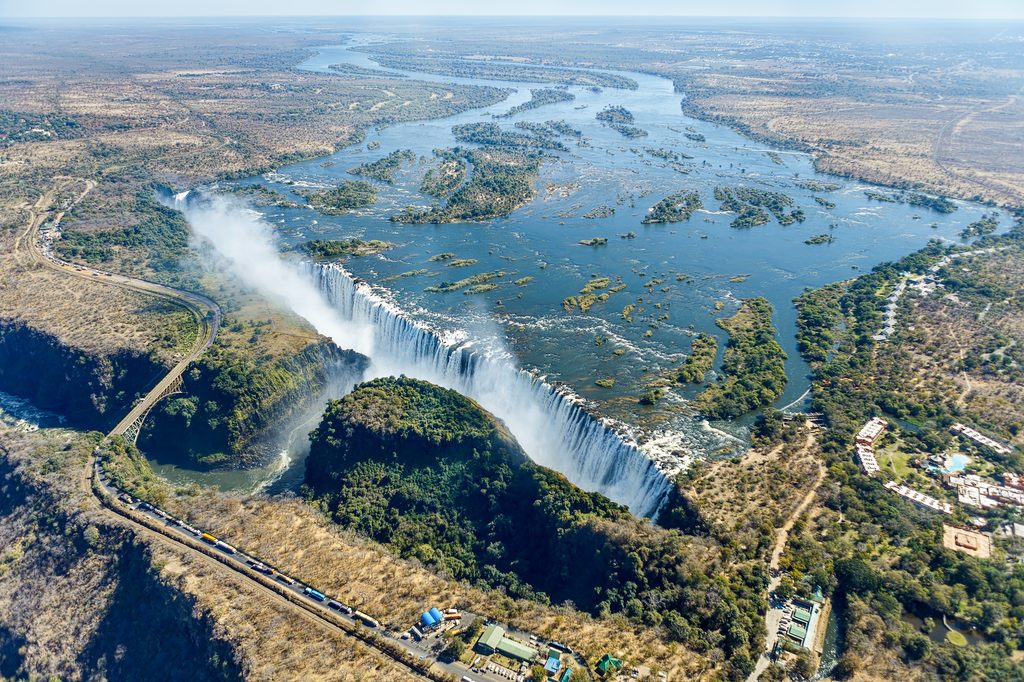
A visit to Zambia is considered incomplete without the adrenaline thrills offered in Livingstone, the country’s adventure and tourism capital. Livingstone. Livingstone is named after David Livingstone, the Scottish missionary and explorer who first sighted Victoria Falls in 1855.
The region is brimming with opportunities for activity-focused travelers, offering a wide range of recreational pursuits for all ages. Livingstone is home to Victoria Falls, a UNESCO World Heritage site and one of the Seven Natural Wonders of the World. Locally, the falls are named Mosi-oa-Tunya, meaning “the smoke that thunders.”
For breathtaking adventures, Zambia features diverse options including game drives, fishing excursions and walking safaris. Other popular activities include microlight and helicopter rides over Victoria Falls, sunset cruises and exclusive island experiences.
More daring travelers can swim in Devil’s Pool, go white-water rafting down the rapids of the Zambezi River or bungee jump over the Victoria Falls Bridge.
The premier safari destination is recognized as the pioneer of the walking safari in South Luangwa National Park, home to the world’s largest population of hippopotamuses. The country also hosts the world’s largest mammal migration, the annual straw-colored fruit bat migration in Kasanka National Park and Africa’s second-largest wildebeest migration in Liuwa Plain National Park.
Local officials view tourism as a critical economic sector because it generates employment and directs financial benefits straight to indigenous communities.
A prime example is the Nkhosi Livingstone Lodge and Spa, located in Mukuni Village, one of Zambia’s oldest and most historic communities. Mukuni Village is a historic royal village and the sovereign seat of the Toka-Leya people. Highlighting this heritage shows how the village serves as a direct cultural gateway to the Victoria Falls region, bridging luxury safari and adventure tourism with community-based travel. To ensure tourism revenue directly benefits the immediate community, the company prioritizes tangible economic partnerships. For example, it sources handcrafted furnishings directly from local village artisans and incorporates locally grown ingredients throughout its dining experiences.
The boutique property is indigenous owned by a Zambian woman, demonstrating how local hospitality initiatives directly impact community livelihoods.
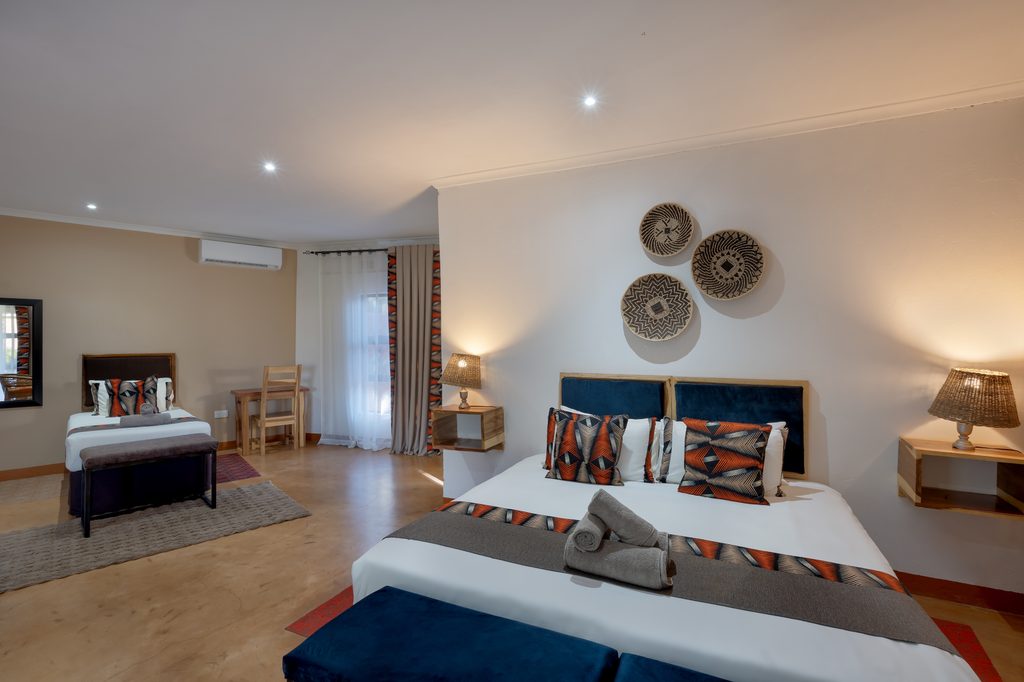
Situated about 4.6 miles (7.5 kilometers) from Victoria Falls, the 10-room lodge features a valley-view swimming pool, a wellness spa, and an on-site kitchen that uses fresh garden ingredients to blend local and continental flavors. The entire property features traditional Zambian cultural decor.
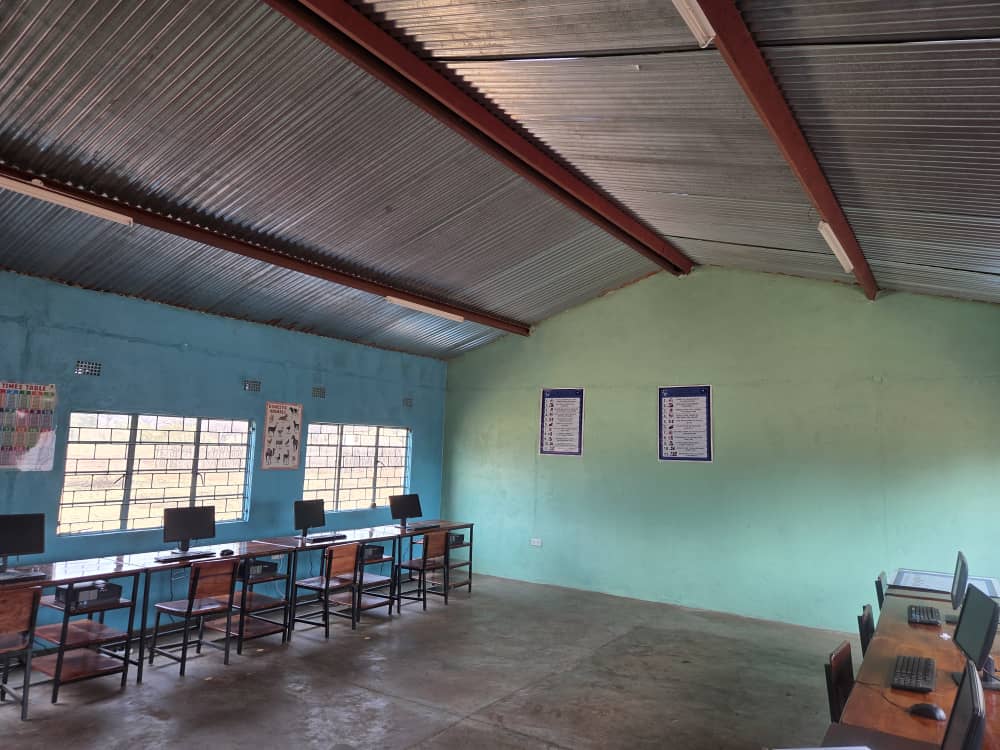
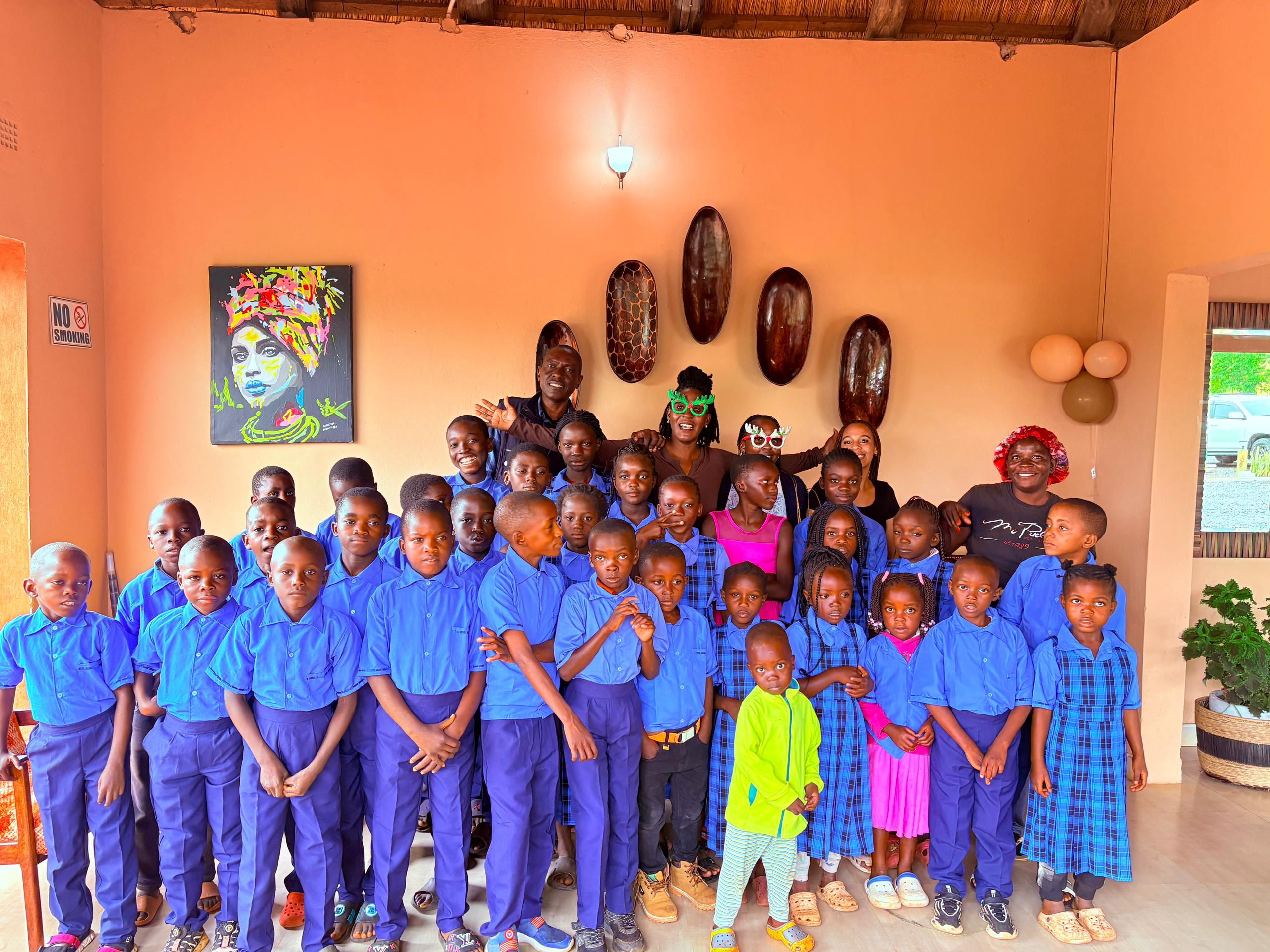
Nkosi Livingstone Lodge and Spa has introduced the “Rebuild Together, Empowering Communities” program, inviting travelers to support local development through initiatives focused on sustainable waste management, supporting local commerce, and funding wildlife conservation. The program further extends to community support through the provision of feminine hygiene products to local schools and collaboration with partners to provide clean water to rural communities. To practice sustainable hospitality, the company utilizes eco-conscious operations, including hybrid solar and grid power integration and a strict zero single-use plastics policy. Community impact initiatives focus on upgrading local education facilities. Specific projects include donating computers, equipping laboratories with solar power, and securing infrastructure at nearby institutions, such as Ngandu Primary School. Furthermore, the company employs 100% local talent across its housekeeping, culinary, and spa services.
For more information, visit the Nkhosi Livingstone Lodge and Spa website.
Female-led tourism initiatives in rural Zambia create a broad economic multiplier effect. Investing in local human capital through continuous skills training and prioritizing local sourcing models creates a sustainable economic ripple effect, fostering long-term financial stability for extended families within the region.
Travel significantly impacts local communities by blending culture, adventure, wildlife, heritage and business. In Zambia, travelers can experience a holiday that simultaneously benefits local residents.
U.S. citizens traveling to Zambia can fly via Ethiopian Airlines, Kenya Airways, Turkish Airlines, Qatar Airways or Emirates. American passport holders receive a visa upon arrival at no fee. Other nationalities must verify entry requirements directly with Zambia Immigration.
For accommodation details, visit the Nkhosi Livingstone Lodge and Spa website. For general tourism information, contact the Embassy of the Republic of Zambia at Washington@grz.gov.zm, or visit the Zambia Embassy website www.zambiaembassy.org and the Zambia Tourism website www.zambia.travel