By E. Ann Clemons, 9th Episcopal
It is not every day that one can claim to have personally known a Civil Rights Icon – not just recognizing their name, but having the distinct honor of sharing meals, engaging in incredible conversations about the harrowing tales of the infamous “Bloody Sunday,” singing Freedom songs together, hearing live testimony about the ordeal on the Edmund Pettus Bridge, attending church side by side, and assisting with book signings. In my collection of memoirs, I treasure the friendship and sisterhood of perhaps my most famous Civil Rights activist, apart from Dr. Bernard Lafayette, who was also one of Lynda’s mentors. Listening to film clips of Dr. Lowery reveals the courage that resonated in her voice and delivery.
Dr. Lynda Blackmon-Lowery was a feisty, articulate, and brave 15-year-old who boldly stood up to Sheriff Jim Clark – a man who, even on his deathbed, declared himself a lifelong racist. In her book, Lynda recounts her first experience in jail, “I was fourteen, and I was scared. I didn’t know what they were going to do with us. There must have been about a hundred boys and girls at that time. All girls were packed into one cell meant for two people.”
Lynda spent her fifteenth birthday, March 22, wrapped in a blanket on the ground of a farm owned by David and Rosa Hall. This experience inspired the title of her book, Turning 15 on the Road to Freedom. Her story was later adapted into a live gospel musical, which was performed in 16 states.
Dr. Blackmon-Lowery was a devoted member of the African Methodist Episcopal Church in the Ninth Episcopal District, under the leadership of Presiding Prelate Bishop Julius MacAllister and Presiding Elder Jacqueline Denson, Montgomery-Selma District. She was a dedicated member of Ward Chapel AME Church in Selma, Alabama, under the pastorate of the Reverend Dexter Patterson.
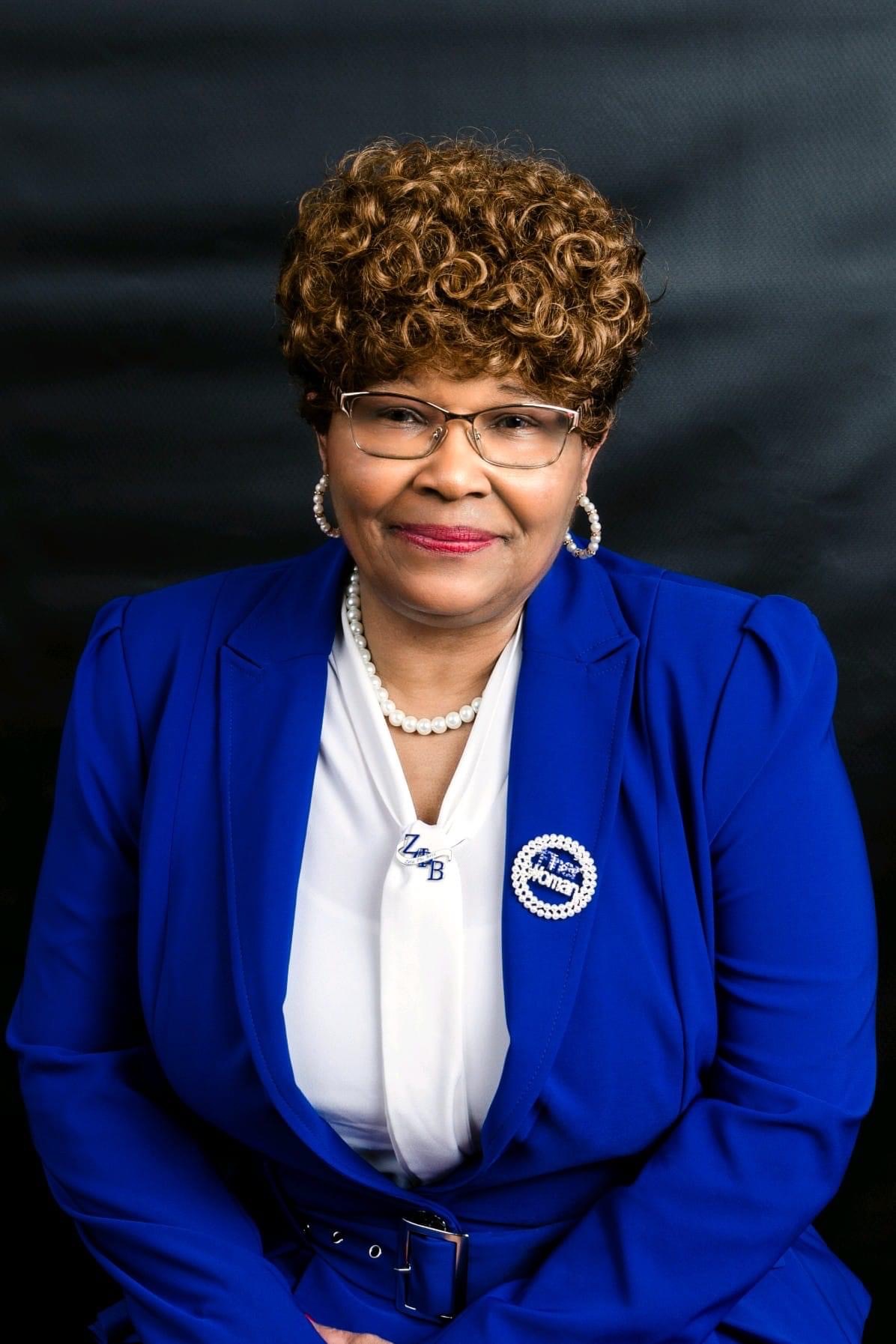
Lynda served as a Steward, a member of the Alabama River Region Lay Organization, The Women’s Missionary Society, and a proud member of Zeta Phi Beta Sorority, Incorporated.
If you wish to read Lynda’s Obituary, you can find it in the New York Times.