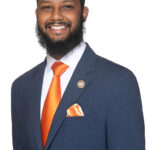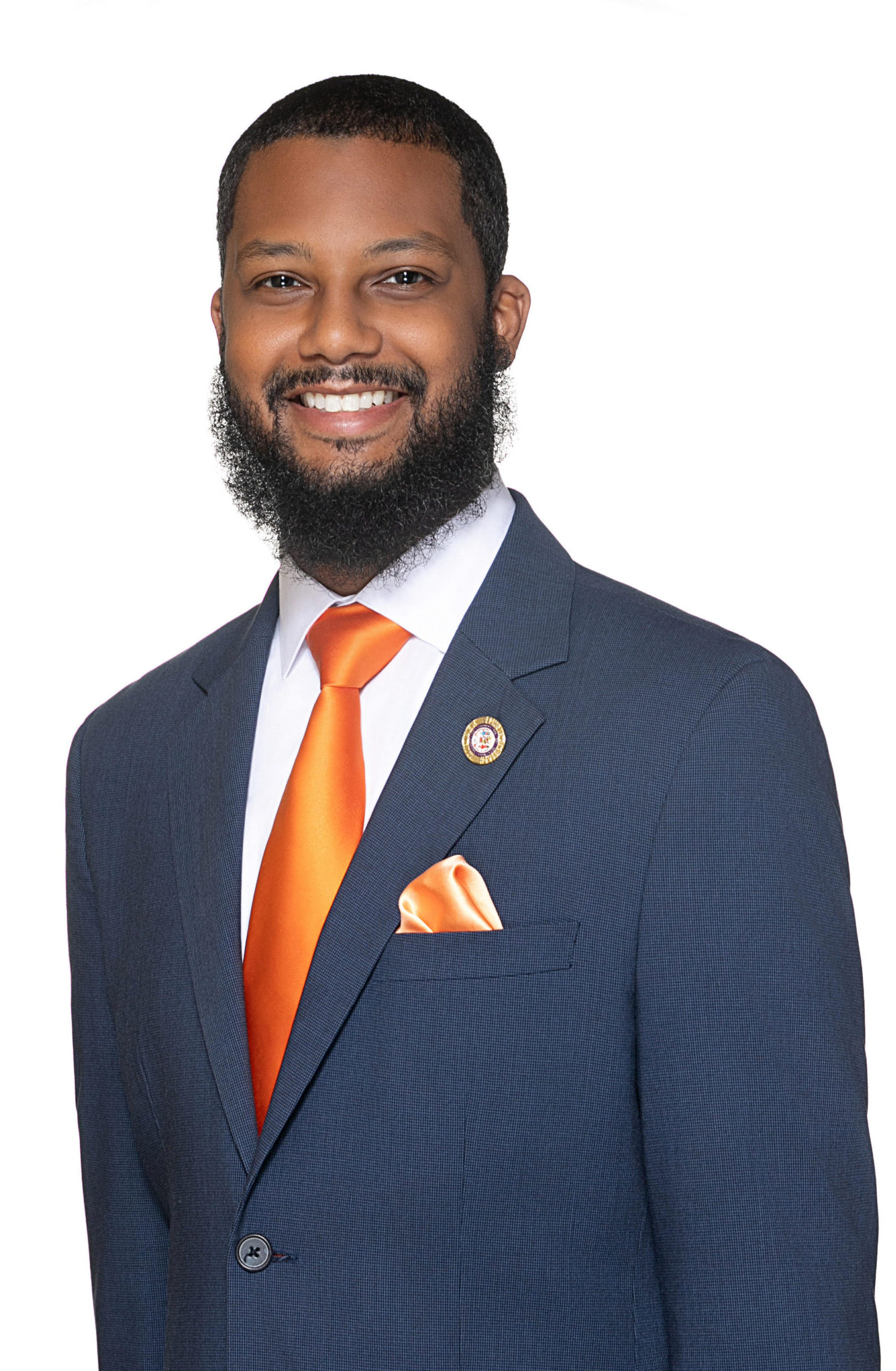
By: Rev. Kent Roberson, Maryland State Delegate, District 25
As we transition from the 2026 General Election to a new electorate, what often arises in conversation is the need to hold elected officials accountable now that they are in office. This conversation usually revolves around ensuring we deliver on our campaign platforms and promises. (As much as I hate to say ‘we’ since I’m elected.)
Accountability for elected officials is often associated with voting individuals in or out of office or attending meetings so we can yell at them for not doing what we told them to do. It is my hope for us as voters, especially those who are tired of politics as usual, to truly identify methods that move the needle in making a change for our congregations, communities, and constituents.
While I serve as a member of the Maryland House of Delegates, which is the equivalent to the House of Representatives for Maryland. I also have the unique perspective of having a full-time job as a federal lobbyist that works to shape laws in the U.S. Congress…not to mention serving in ministry as an Itinerant Elder (Welcome to ministry in the AME context.) The blessing in these roles is that I see both sides of how a bill becomes a law and how organizations advocate before lawmakers. The average voter is unaware that organizations hire lobbyists to advocate on their behalf to get a law passed, but this is part of the law-making process. It is a tool in our toolbox that goes beyond voting, marching, protesting, and boycotting.
Lobbying allows an organization to meet with a lawmaker to share their concerns in a respectful manner while building personal relationships with the staff and policymaker. Many of our organizations have Lobby Days on the Hill where they go to Congress or their State House and visit lawmakers to share their concerns or desires for a specific issue. While this is beneficial, where is the follow-up? What happens the other 364/5 days of the year once the protest is over? Who is there when you go back to your home, church or school to advocate and follow up for you? There is a real need for us as the Black Community to move beyond protest and voting to political engagement.
You may ask, ‘What does that look like?’ It could possibly mean that the AME Church for example has a political director that identifies legislation that is beneficial or detrimental to the church and conducts meetings on our behalf. It could mean we leverage our numbers and politically engaged members to push for policies in our State Houses. It could mean we spend money hiring a consulting firm to organize a fly-in for each of our districts so Members of Congress, or our State Houses see the breadth, width, and depth of the AME Church.
What does accountability look like? It looks like doing more than just knowing who your elected official is and voting for them. It’s more than going to a meeting and yelling at an individual for not passing legislation. Accountability is about relationships. Hebrews 12:6 and Revelation 3:19 speak of God correcting or disciplining those He loves. We can’t speak of accountability unless we have a relationship with our elected officials. Let’s build accountable bridges to help move those that we love forward.