

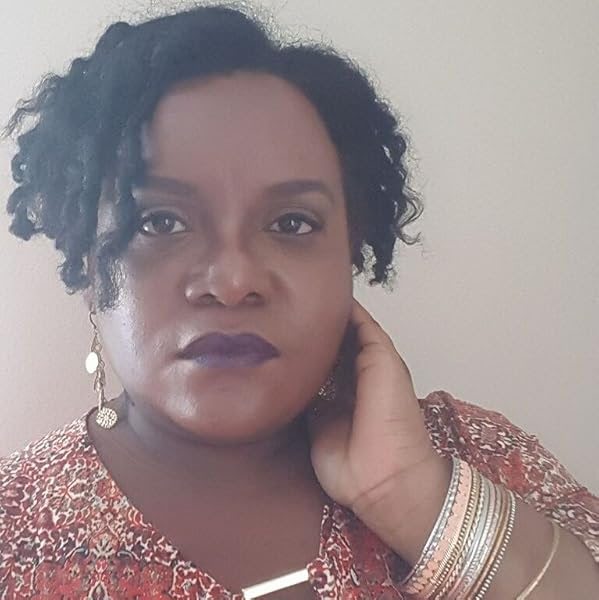
by Dr. Dora Muhammad
My master had the law on his side; I had a determined will. There is might in each. – Harriet Jacobs, Incidents in the Life of a Slave Girl, Written by Herself (1861)
A profound evening of sisterly wisdom, spiritual lyricism, and genuine support kicked off the four-part women’s empowerment series, “I Know Why The Caged Sister Sings,” led by the Reverend Dr. Debyii Sababu-Thomas of Reid Temple AME (Glenn Dale, Maryland). Marking Women’s History Month, the series was designed to elevate stories and voices of women in the Bible who forged their freedom and fulfilled a calling to discipleship—despite their circumstances. Tamar was one of the women discussed during the first gathering.
A widow without rights who flipped her fate through the disguise as a prostitute to be declared righteous by her family’s patriarch, whose bloodline, now continued in Tamar’s pregnancy, would be honored by name in the genealogy of Jesus. Best phrased by Carolyn Custis James in her 2005 book, Lost Women of the Bible: Finding Strength & Significance through Their Stories, “All the verbs belong to her now.”
Castigated throughout the ages, Tamar’s story echoes contemporary assumptions that Black women are sex workers to excuse sexual violence against us. Rosa Parks heard it in her investigation of Recy Taylor’s rape in 1944. Congress heard it in the testimony given by Rebecca Ann Bloom, one of the five women survivors of gang rape during three days of white mob violence in 1866 Memphis.
Sexual violence as a tool of white supremacist oppression, genocide, and colonization prevails in modern legal frameworks, like the Jim Crow era, when only white women could legally be raped. Black women’s bodies exist along the spectrum of property or sub-human collateral exploited for breeding, to the hyper-sexualization to justify impudent pleasures to prop up male ego and dominance. The bars of all these cages reinforce that Black women do not have the right to resist.
April is Sexual Assault Awareness Month. One in four Black girls will be sexually abused before the age of 18. One in five Black women is a survivor of rape. Seventy-five percent of victims report some form of retaliation. Less than 8% of rapes are falsely reported. For every Black woman who reports a rape, at least 15 Black women do not report to police; two-thirds report to informal systems, such as family and friends.
These statistics recall the “tyrannies you swallow day by day” that Audre Lorde mentioned in her landmark 1977 speech, “The Transformation of Silence into Language and Action.” I was directed to this speech while reading the first chapter of The Fire Inside: The Dharma of James Baldwin & Audre Lorde, the latest book from my friend, Dr. Rima Vesely-Flad. She shares how she reckoned with her conditioning to self-silence: “I was wired to make myself safe.”
The writings of these two legendary queer radical thought leaders helped cultivate a deep sense of authority within her own being, in the way the historic Buddha’s night of enlightenment was supported by his touch with Mother Earth. Can our touch evoke such powerful breakthroughs, not only of women’s silence but also of the cages that block agency over our bodies? Reimagine liberation through revolutionary love.
Dora is the principal of Creative Grace, LLC and founder of The AWARE Project (Advocacy for Women’s Activism, Rights & Empowerment). She is the Ambassador to Women for the Institute of Caribbean Studies and Theologies of CARE consultant at Faith in Public Life.



Powerful read, I would have loved to have been apart of this study.