Rev. Dr. Ann Marie Bentsi-Addison, D. Min, M.Div., MSN, CNM, CNS, LSSGB
Executive Director, International Health Commission
April is recognized globally as a time to reflect on maternal and child health, culminating in World Health Day on April 7, which often highlights the importance of healthy beginnings for mothers and babies. For communities of faith, particularly within the African Methodist Episcopal Church, this moment invites us to reflect not only on the health of women and children but also on our responsibility to advocate for equitable healthcare worldwide.
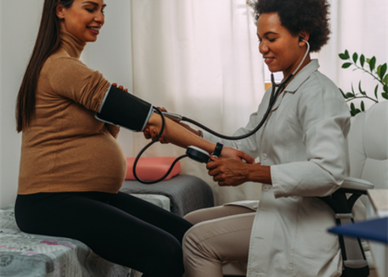
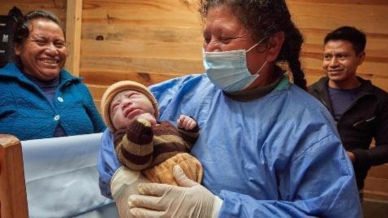
Around the globe, pregnancy and childbirth should be moments of joy and hope. Yet for many women, they remain times of significant risk. According to global health organizations, hundreds of thousands of women die each year from complications related to pregnancy and childbirth, most of which are preventable with timely medical care, skilled birth attendants, and access to prenatal and postpartum services.
These disparities are felt not only in low-resource countries but also within communities of color in wealthier nations. In the United States, Black women are several times more likely to die from pregnancy-related complications than white women. Across parts of Africa, the Caribbean, and Latin America, limited access to healthcare facilities, transportation challenges, shortages of trained providers, and economic barriers continue to place women and infants at risk.
Maternal health is therefore not only a medical concern. It is a justice issue.
A Global Faith Responsibility
The African Methodist Episcopal Church has long been committed to addressing issues of health and human dignity. From missionary hospitals and clinics to community health ministries, AME congregations across Africa, the Caribbean, Europe, and North America have historically served as trusted partners in advancing wellness and education.
Churches can play a powerful role in improving maternal health by:
- Promoting prenatal and postpartum health education
- Encouraging expectant mothers to seek early and regular prenatal care
- Supporting families with nutrition, emotional support, and community resources
- Advocating for healthcare access and maternal health equity
- Partnering with local health systems and public health agencies
Faith leaders often serve as trusted voices within communities. When clergy speak about health from the pulpit or through church ministries, they help reduce stigma, encourage prevention, and empower families to seek care.
Caring for Mothers Beyond Delivery
Maternal health extends beyond childbirth. The postpartum period – the weeks and months following delivery – is a critical time when mothers may experience physical, emotional, and spiritual challenges. Conditions such as postpartum depression, untreated infections, and chronic health issues can threaten the well-being of both mother and child if left unaddressed.
Faith communities can help create environments where mothers feel supported and where families are encouraged to care for the whole person – body, mind, and spirit.
A Call to the Church
Scripture reminds us that every person is created in the image of God and deserves dignity, care, and protection. Ensuring that mothers and babies survive and thrive is an expression of that sacred responsibility.
As the global AME family observes health awareness initiatives this April, congregations are encouraged to:
- Pray for mothers, infants, and healthcare providers around the world
- Educate communities about maternal health risks and prevention
- Support health ministries that address women’s wellness
- Advocate for policies that protect mothers and children
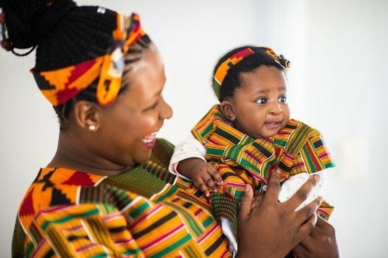
Healthy mothers strengthen families. Healthy families strengthen communities. And healthy communities help build a more just and compassionate world.
By standing together across continents and cultures, the AME Church can continue its historic witness – affirming that faith and health are inseparable in the work of nurturing life and sustaining hope.