

By Johnoy Davis, TCR Intern
A few months ago, I wrote a piece reflecting on the connectivity of African Methodism. At the time, I spoke about the strength of our Zion and the ways our connection stretches across churches, districts, communities, and generations. Today, I return to that conversation with a deeper understanding of what that connectivity truly means, because I have come to realize that one of the greatest strengths of the African Methodist Episcopal Church is not simply its structure, but its ability to shape lives and create opportunities that can completely alter a person’s trajectory.
In an era where many institutions struggle to keep young adults engaged, the AME Church still possesses something powerful. It possesses the ability to recognize potential before it fully reveals itself. More importantly, it still has leaders who are willing to invest in the lives of people beyond the boundaries of Sunday worship.
That investment changes lives.
Just over four years ago, at 30, I found myself standing at a crossroads during one of the most uncertain periods in modern history. The COVID-19 pandemic had slowed the world to a crawl, industries were collapsing under pressure, and like many creatives in Jamaica, I was trying to figure out what life would look like moving forward. I had just completed an Associate of Arts in Music at the Edna Manley College of the Visual and Performing Arts. Academically, I was a 2.9 student at best, and in many ways, I believed I had already settled into the boundaries of what my future would become.
At that stage of my life, higher education in America felt distant, almost unrealistic. Yet one of the defining characteristics of transformative leadership is the ability to see beyond a person’s present circumstances and recognize the possibilities within them. The AME Church has long carried that tradition. Through mentorship, exposure, encouragement, and intentional investment, our Zion has consistently created pathways for ordinary people to step into spaces they once believed were beyond their reach.
My own journey became one example of that reality.
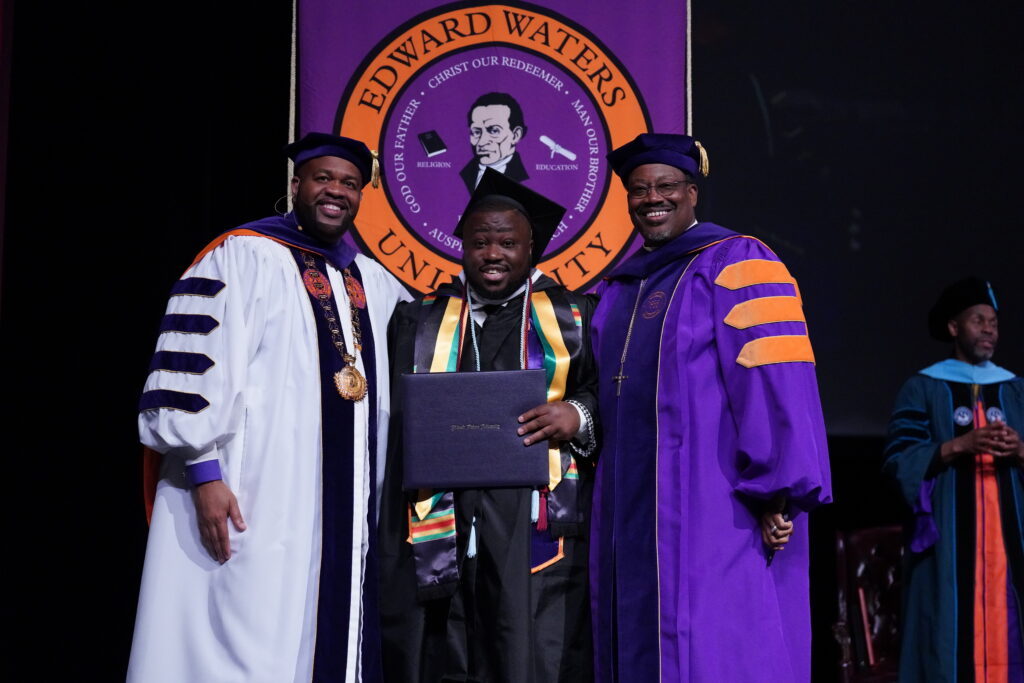
The encouragement to pursue higher education in the United States eventually led me to Edward Waters University, one of the historic institutions connected to the AME Church’s longstanding commitment to education and Black advancement. What once seemed impossible slowly became reality through discipline, faith, mentorship, and a support system that continuously reminded me that my circumstances did not have to define my outcome.
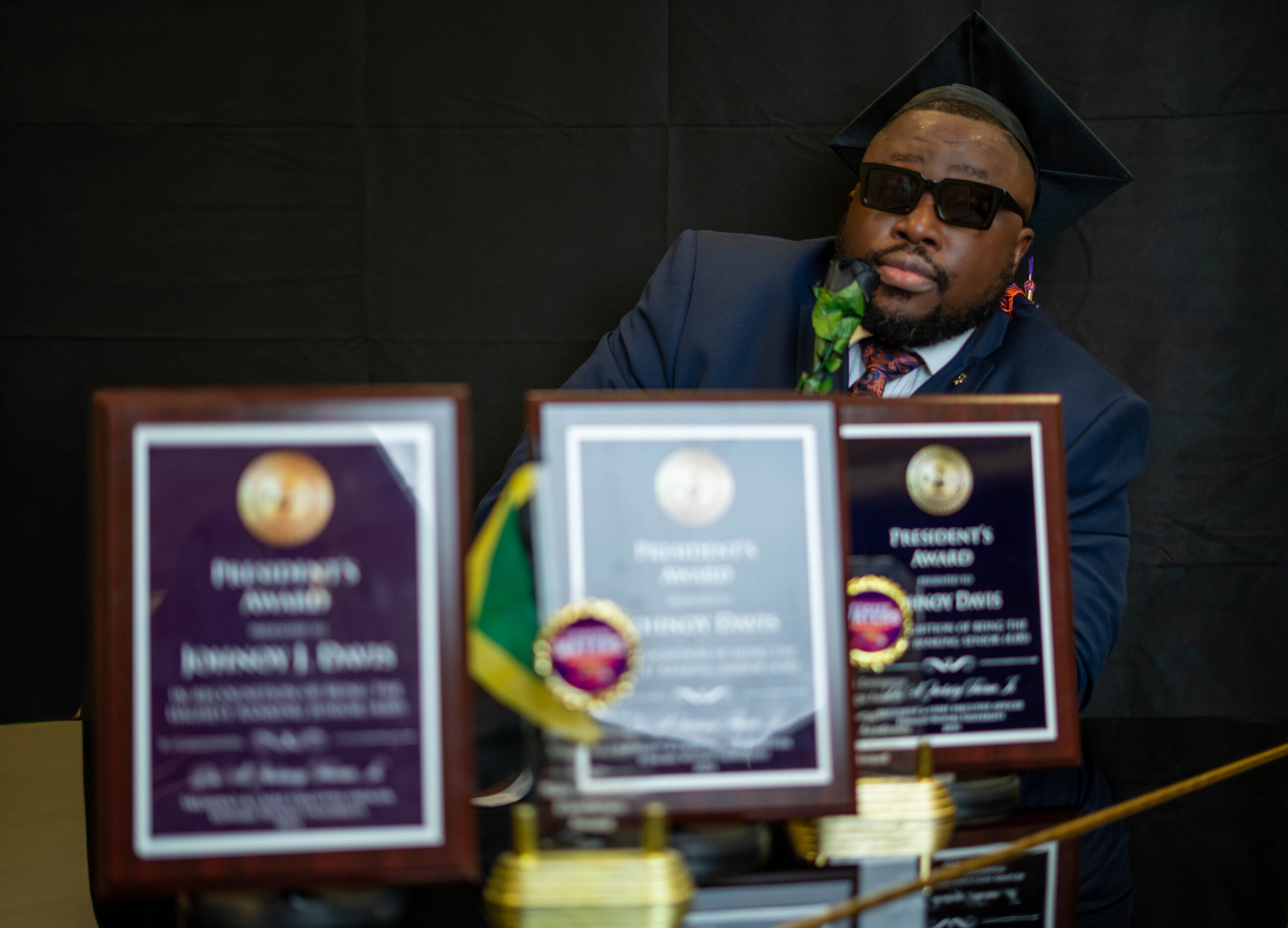
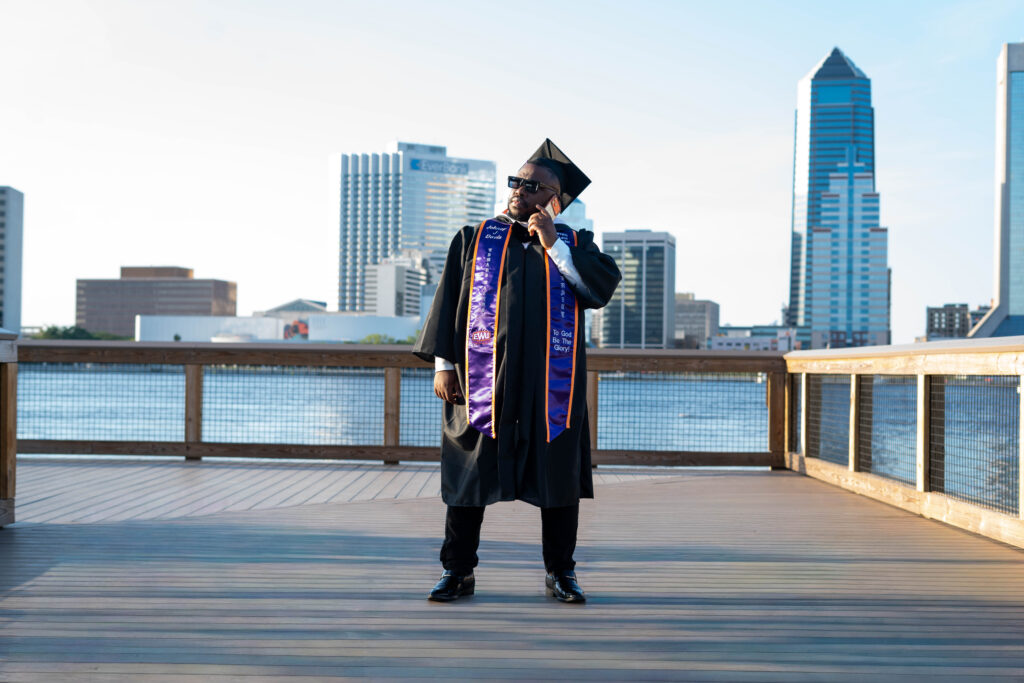
On May 9, 2026, I graduated Summa Cum Laude with a Bachelor of Science in Communications with a concentration in Journalism, maintaining a 4.0 GPA throughout my studies. I also matriculated to Columbia University to pursue a Master of Science in Journalism. This opportunity once felt worlds away from the young man trying to navigate uncertainty in Jamaica during the pandemic.
But this story is bigger than me.
What my journey ultimately demonstrates is the importance of leaders who choose to be invested in people, not only spiritually, but holistically. Leaders who understand that ministry is not confined to preaching sermons, but also includes developing minds, creating opportunities, exposing young people to greater possibilities, and helping members discover gifts they may not yet see in themselves.
One unique dimension of my own journey is its reflection of the continuity of connection throughout African Methodism. My relationship with Bishop Marvin C. Zanders, II began. At the same time, he served in the 16th Episcopal District, where his encouragement and leadership played a significant role in my transition to the United States for school. Years later, what felt almost providential was that he would eventually be assigned to lead the 11th Episcopal District. This very district had become home to me through my years in Jacksonville. It became another reminder that the connectivity of our Zion is not merely organizational, but deeply relational.
That journey continued at Saint Stephen African Methodist Episcopal Church under the leadership of Presiding Elder David W. Green Sr. and the Rev. Jarrett B. Washington, where I experienced firsthand how intentional leadership, mentorship, and support can create environments where young adults are empowered to grow spiritually, academically, and professionally.
Far too often, we underestimate the power of encouragement. We underestimate what can happen when leaders create environments where young adults feel seen, challenged, supported, and valued. Yet history repeatedly shows us that when churches become invested in the total development of their people, communities are strengthened, barriers are broken, and lives are transformed.
The AME Church has been doing this work for generations. Through schools, colleges, mentorship, leadership development, and spiritual formation, our Zion has consistently created opportunities for people to rise beyond limitation. That legacy must continue.
Young people are sitting in our pews right now who simply need someone to believe in them long enough for them to believe in themselves. Students are wrestling with uncertainty, creatives trying to find direction, and individuals whose potential has not yet fully surfaced. Sometimes the difference between stagnation and transformation is a leader willing to invest.
That is the real connectivity of African Methodism.
It is not simply found in conferences, titles, or organizational charts. It is found in the lives that are changed when leaders choose to pour into people with vision, intention, and care.
My story is simply one example of what can happen when they do.

I love these articles!!!! Close to my heart. My husband graduated with an MDiv from the University of Chicago Divinity School and a PhD from Claremont School of Theology. He was a social activist and was president of Baker University and Oklahoma City University. I am a member of Historic Vernon AME Church.