

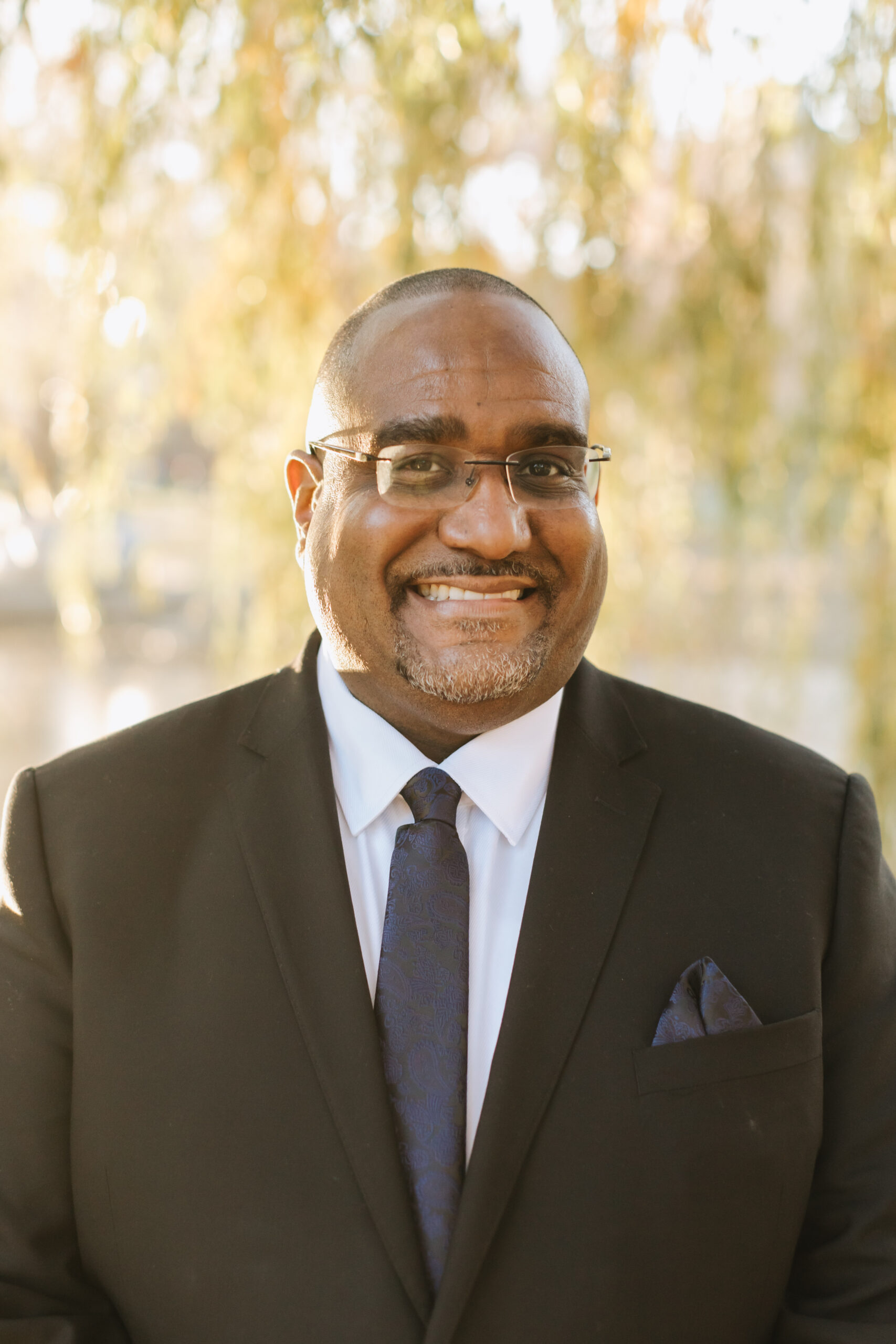
By Rev. Kevin T. Taylor, Contributing Writer
Education has always been at the heart of the African Methodist Episcopal Church. Richard Allen and the founders of our Zion knew that literacy and learning were as vital to freedom as prayer and preaching. That’s why our Church built schools even before we built some sanctuaries, birthing institutions like Wilberforce University, Paul Quinn College, Allen University, Payne Theological Seminary, and AME University in Liberia. For nearly 150 years, we have proclaimed that education is a means of liberation.
I learned this early. Growing up at Bethel AME Church in Ann Arbor, Michigan, I heard it from the pulpit. The Reverend Dr. Sherman L. Greene, Jr., son of Bishop Sherman L. Greene, Sr., served on the ministerial staff there. He spoke with passion about his service as a General Officer for Education in the AME Church, reminding us that education was not optional — it was sacred. Those words have never left me.
And yet — our schools are under-resourced, under-recognized, and too often under threat. Combined, the endowments of our AME colleges and seminaries barely top $8.5 million — not even a rounding error compared to the $190 billion commanded by the Ivy League. Each campus must maintain its own payroll, human resources, compliance, accreditation, internet technology, marketing, and fundraising teams — duplicating costs, straining leadership, and leaving too little for scholarships, faculty salaries, or cutting-edge programs.
Imagine if we changed that. Imagine if we united our ten colleges and seminaries worldwide under one banner — an African Methodist Episcopal Payne University System (AME-Payne) — with a single chancellor, governing board, and endowment campaign. Like SUNY or the University of California, AME-Payne could centralize back-office functions, freeing presidents and deans to focus on what matters: academic excellence, spiritual formation, and student success.
This is not just operational efficiency; it is mission fulfillment. A unified system could:
- Galvanize pride: Students and alumni would claim not just a campus, but a global movement: “I am an AME-Payne graduate.”
- Attract talent: Faculty would join a networked system with career paths across multiple campuses and continents.
- Increase enrollment: Cross-registration, online learning, and shared degree programs would expand access and reduce duplication.
- Unlock capital: A single, billion-dollar endowment drive could attract national philanthropy, corporate partnerships, and major federal grants.
Yes, there will be resistance. Each campus has a proud history and local board. But the AME Church has never been afraid of boldness. Richard Allen walked out of St. George’s when freedom required it. Daniel Payne insisted on education when the world said formerly enslaved people could not learn. Bishop Henry McNeal Turner thundered, “We are somebody” when the world denied it.
We must choose whether to drift separately toward irrelevance or unite toward a future worthy of our founders’ sacrifice. Our schools are not just colleges; they are engines of freedom. Let us make them strong enough — together — to educate the next generation of Allens, Paynes, Lees, and Turners.
Call Out Boxes
Why a Unified System Matters
- Pride and Belonging: Alumni and students would no longer say, “I went to one of the AME schools.” They would say, “I am a graduate of the Allen–Payne University System,” joining a global movement of 10,000+ students.
- Talent Magnet: Faculty could move across campuses and collaborate on research, strengthening recruitment and retention.
- Growth: Shared programs, cross-registration, and online learning would expand enrollment and reduce duplication.
- Capital: A single, billion-dollar endowment campaign would have national philanthropic credibility, attracting donors who might overlook smaller, fragmented appeals.
Proposed Governance Model
- Chancellor & APUS Board: Appointed by the General Conference; includes bishops, alums, faculty, students, and lay leaders.
- Campus Presidents: Retain local leadership but align strategy with APUS priorities.
- System Councils: Academic Affairs, Finance, Student Success, Advancement — cross-campus teams for shared standards.
- Branding: Campuses retain historic names but proudly add “Member, Allen–Payne University System.”
Financial Projection & Reinvestment
Today, six U.S. AME colleges/seminaries spend an estimated $10–14M annually on administrative overhead.
Tomorrow: Centralizing HR, payroll, IT, procurement, and compliance could save 10–15% annually—$1–2 M.
Reinvestment Plan:
- 50% → Endowed scholarships (100–150 new scholarships annually)
- 30% → Faculty salaries & new tenure lines
- 20% → Innovation Fund (cybersecurity, AI, global ministry leadership programs)




A healthy discussion should occur to facilitate how we can support and develop our institutions.
an excellent idea worthy of further exploration and discussion!