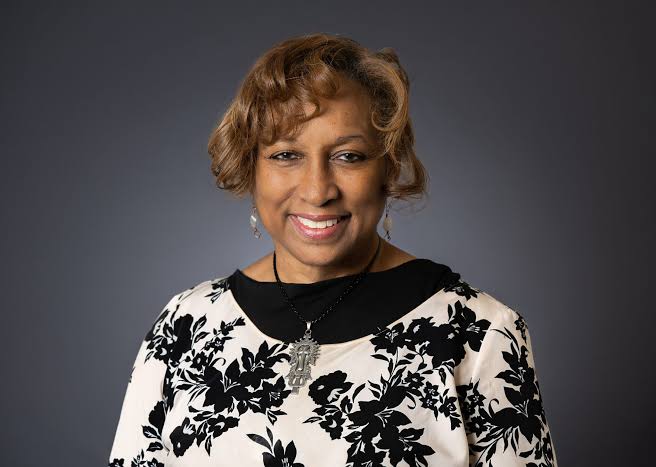
By Reverend Dr. Angelique Walker-Smith, Bread for the World
“Come now, and let us reason together,” says the Lord ….”
Isaiah 1:18 New King James Version (NKJV)
This year marks the 80th anniversary of the United Nations. In September, during the UN General Assembly, many people reflected on both the challenges and opportunities this global table of nations has faced—and continues to face —when it comes to ending hunger and poverty. These include intersectional issues of inequality.
During the one-hour tribute to the 80 years of work, the voices of global leadership were heard alongside voices from local, national, and regional communities. This approach was wise and significant. The UN was brought together by individual countries and regions after World War II to form the table that created the UN Charter. This Charter, based on human and global rights and dignity, has played a significant role in convening conflicting and complementary voices over the years.
In like fashion, a new moment was born last year when the PACT for the Future was adopted after years of negotiations over the existential threats posed by issues like climate change and conflict. The adoption of this PACT marked a milestone in the process of revisiting the colonial and neo-colonial eras—when African nations were not independent, and Jim Crow dominated in the United States—that still inform this present moment.
This is a moment of seismic geopolitical shifts, challenging norms and commending decolonizing. Renegotiating pacts is particularly important now, amid the noticeable rise in international trade and the considerable downsizing of aid to low-income countries from the United States and other wealthy nations.
The new PACT is a helpful framework for igniting renegotiation at every level. Two tables for this will be set at the multi-lateral summits of COP 30 in Brazil and the G20 in South Africa, where Africans and People of African descent are prominent.
Recently, a petition was circulated calling on President Lula of Brazil and the UN to include climate justice and the voices of Africans, people of African descent, and Indigenous peoples at COP 30. And the preparatory 2025 G20 Interfaith Forum in Cape Town, South Africa, called for “Solidarity, Equality, Sustainability” and the African philosophy of ubuntu—humanity to others—to be included in these summits.
We need to hear those voices. This is a time to come together and envision a different future. Let us pray that these tables of reasoning bring all people together for a renewed season of hope and ubuntu.
Angelique Walker-Smith is a senior associate for Pan-African and Orthodox Church engagement at Bread for the World.