Improving the Health of African Americans: A Church Mandate
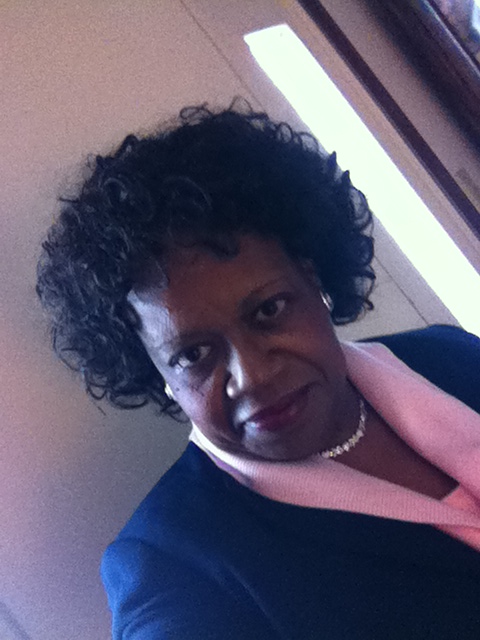
By Presiding Elder Betty Holley, Contributing Writer
Jesus’ ministry exemplified holistic salvation, as He often demonstrated divine mandates and intentions in many pragmatic ways. He practiced a tri-fold ministry. It was one of preaching, teaching, and healing. One place that speaks to Jesus’ tri-fold ministry is found in Matthew 9:35, “Then Jesus went about all the cities and villages, teaching in their synagogues, and proclaiming the good news of the kingdom, and curing every disease and every sickness.”
African Americans are more likely to experience cardiovascular disease (heart disease and stroke), diabetes, and cancer than many in the general population. This difference in health between a racial minority group and the general population is called a health disparity. Researchers are not sure why health disparities exist—since race in and of itself—does not cause poor health. Socioeconomic status, stress, access to preventive healthcare, cultural norms, and environmental factors may play a role.
The African American church has traditionally focused on wholeness, which includes physical and spiritual well-being. Healing is a focus and the church is considered a place of refuge.
Churches are in a unique position to offer their members an opportunity to improve their health habits. The church is an institution that provides access to a broad segment of the African American population which is often at high risk for many chronic diseases. They are concerned about members’ well-being, have programs and services that support their members, are focal points for their communities, and their leaders are widely respected.
We must build from the positive things we already offer at church to promote health and healing. Offering fruits and vegetables at all church functions or including physical activity messages in sermons can make a big difference in supporting healthy lifestyles among faith community members. Eating healthy and moving more helps to prevent chronic diseases such as heart disease, cancer, and type 2 diabetes. African American churches that promote eating healthy and moving more encourages a multi-level approach to changing health behaviors, giving the individual knowledge and new skills, encouraging new attitudes, and changing policies and environments that support behavior changes. This approach targets aspects of people’s lives—as individuals, people in relationships, members of the church, and residents in a community.
Research has shown that as weight increases to the levels referred to as “overweight” and “obese,” the risks for coronary heart disease, type 2 diabetes, and some cancers (such as breast and colon cancer) also increase. Eating healthy and moving more are important habits for preventing becoming overweight, obese, and other chronic diseases.
Eating healthy means eating a variety of foods, including whole grains, fruits, vegetables, calcium-rich foods like milk, and low-fat sources of protein like lean meats and beans. Eating reasonable portion sizes is another important part of eating healthy. Choose the right size instead of the supersize. Since beverages are part of the diet as well, try limiting sugar-sweetened beverages like sweetened tea and soda.
Eating is one of life’s greatest pleasures. Since there are many foods and ways to build a healthy diet and lifestyle, there is lots of room for choice.
Unfortunately, many African American church leaders and members have died prematurely from the aforementioned diseases. There is scientific agreement that eating a healthy diet, rich in fruits and vegetables, and moving our bodies more is beneficial for health. Prevention is powerful. It saves lives, lessens the human burden of illness, lowers healthcare costs, and preserves our quality of life.
The Rev. Betty Whitted Holley, Ph.D., serves as the presiding elder of the Columbus-Springfield-Xenia District of the Ohio Conference in the 3rd Episcopal District. Dr. Holley is a member of the core faculty at Payne Theological Seminary, teaching theological research and writing, ecological theology, eco-justice and the Christian faith, and Christian Education. She was recently appointed the director for the Master of Divinity Degree Program.