

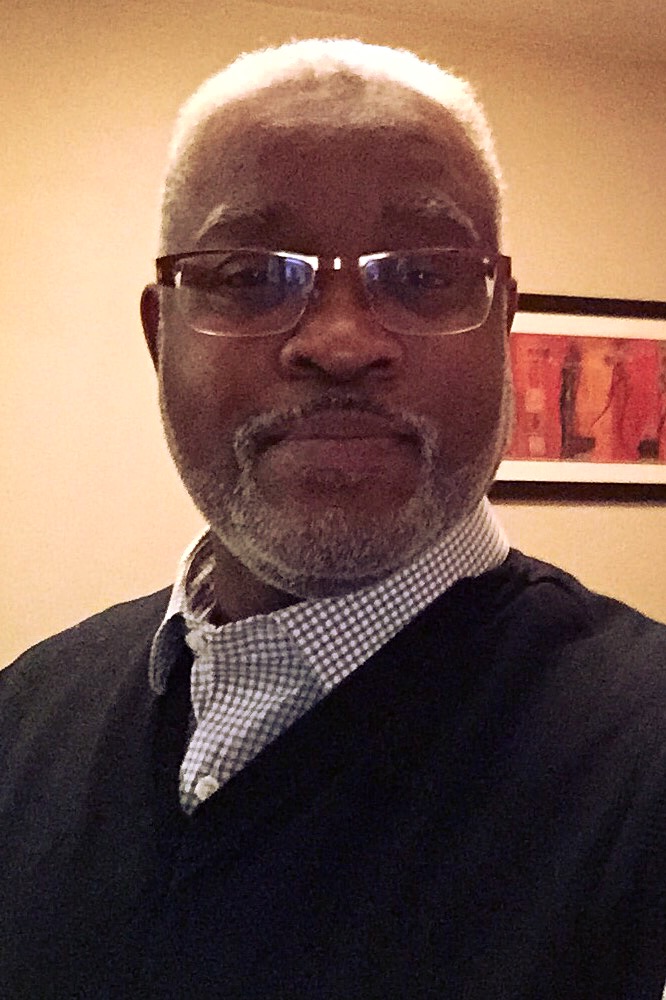
By Rev. Dr. Ken Poindexter, Contributing Writer
The United States of America is moving toward 250 years of existence on July 4, 2026. Over the time of its ‘official’ existence as a nation founded on the principles of “liberty and justice for all”, the country has been challenged by some who while proudly touting its history as a democracy believe that it would be a greater nation if it limited the number of foreign people entering to set up permanent residence and changed the belief that everyone should have equal opportunities. Instead of real equality, certain groups would enjoy a more privileged citizenship, the benefit being that those of greater wealth would be allowed more voice and power over the country’s administration. The potential result would culminate in the USA abandoning its belief in democracy and eventually becoming a monarchy, effectively erasing all for which its forebearers fought and established. Spanish-American philosopher George Santayana stated more than a century ago that “Those who cannot remember the past are condemned to repeat it”. Is it possible that the world’s most powerful nation could abandon its history as one which promotes freedom for all races and religions, and become one more failed experiment in genuine democracy?
This moment in time is reminiscent of the ongoing saga of the nation of Israel, which from its inception up to this day battles for its soul. The words of the prophet Isaiah speak of a people who struggled against the challenges of being overwhelmed by larger countries, as it followed the sacred teachings of its ancestors who believed in Yahweh, Creator and Sustainer of the universe. Throughout its existence Israel has wrestled with its status as God’s nation yet straying from God’s guidance. Its history is a resume of successes and failures as a result of its up and down relationship with God. Isaiah 40 provides a reminder that despite the potentially overwhelming difficulties, there is yet hope that God is faithful even when those who claim faithful allegiance stray from the relationship between people and God. The prophet says “They that wait upon the Lord shall renew their strength. They shall mount up with wings as eagles, they shall run and not be weary, they shall walk and not faint.”
These words are more than a statement about what God will eventually do. The word “wait” translated from the Hebrew “qavah” speaks to the expectation that God’s people are participants in the struggle for freedom. Qavah is active participation in God’s plan; those who expect God’s intervention must anticipate and participate in their freedom. The faithful ultimately derive their strength from the One who is Creator of All. They do not sit and “wait” for God to overcome the enemy—they listen for God’s voice and become instruments of their anticipated freedom. Time and again, the biblical witness provides evidence that those who believe in God can only overcome the enemies of God by active expectation of God’s presence and by God’s guidance as they move forward.



God 🙏 be With you in Jesus Holy Name 🙏