Rev. Jason D. Thompson, Ph.D. Contributing Writer
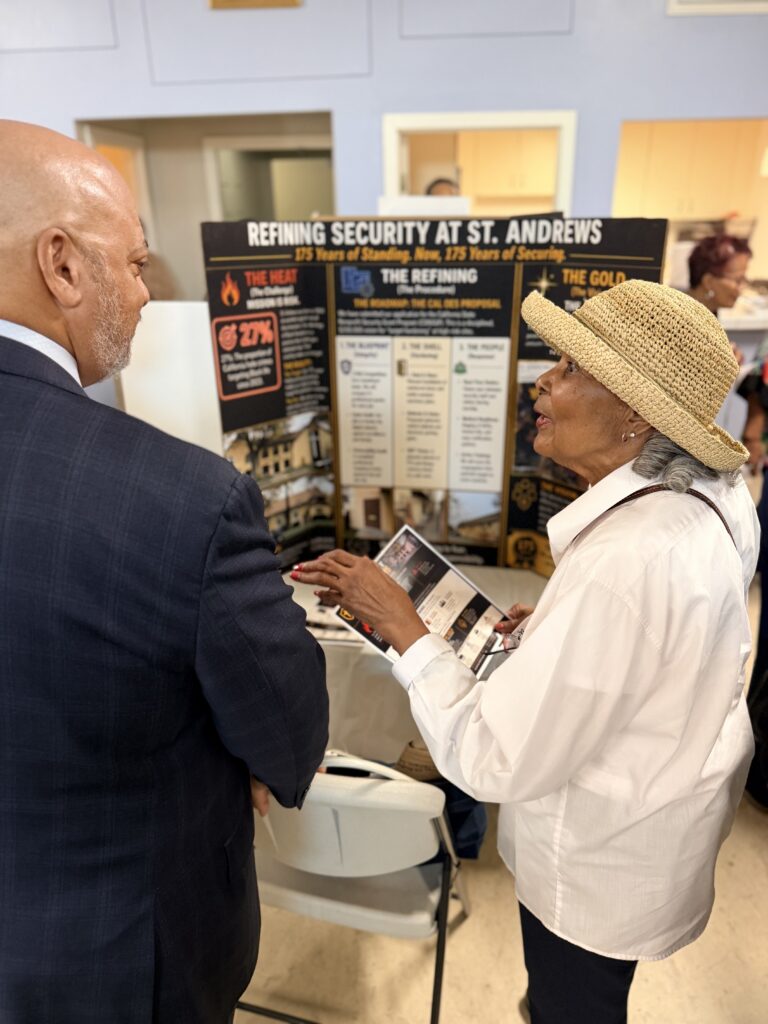
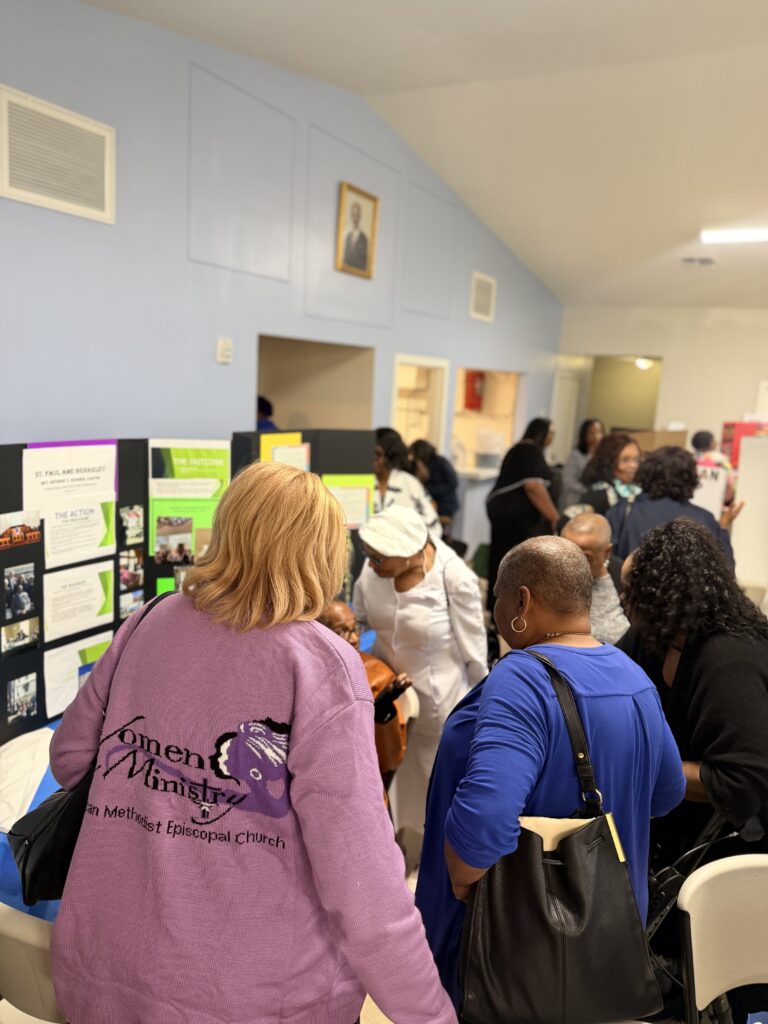
For decades, steward reports at the District Conference have been predictable. One by one, representatives from local congregations ascend the podium to read written summaries of their church’s activities. It is a ritual of administrative stewardship that gives attendees a curated glimpse into the life of the district’s churches. However, this year’s Bay Valley District Conference administrative team identified a systemic flaw in the traditional format while partnering with their newly appointed Presiding Elder, the Reverend Dr. Karen Anderson. The podium encourages a performance of completion rather than an honest accounting of community practice in response to the contemporary institutional stressors and shifting social realities that today’s churches face. The static nature of the oral report actively prevents the cross-district learning and resource-sharing required to navigate an increasingly complex social, political, and economic landscape. In response, the district implemented an interactive District Steward Ministry Fair, allowing local leaders to serve as operational consultants rather than mere reporters. Two biblical texts anchored the ministry fair as both theologies and methodologies for district evaluation.
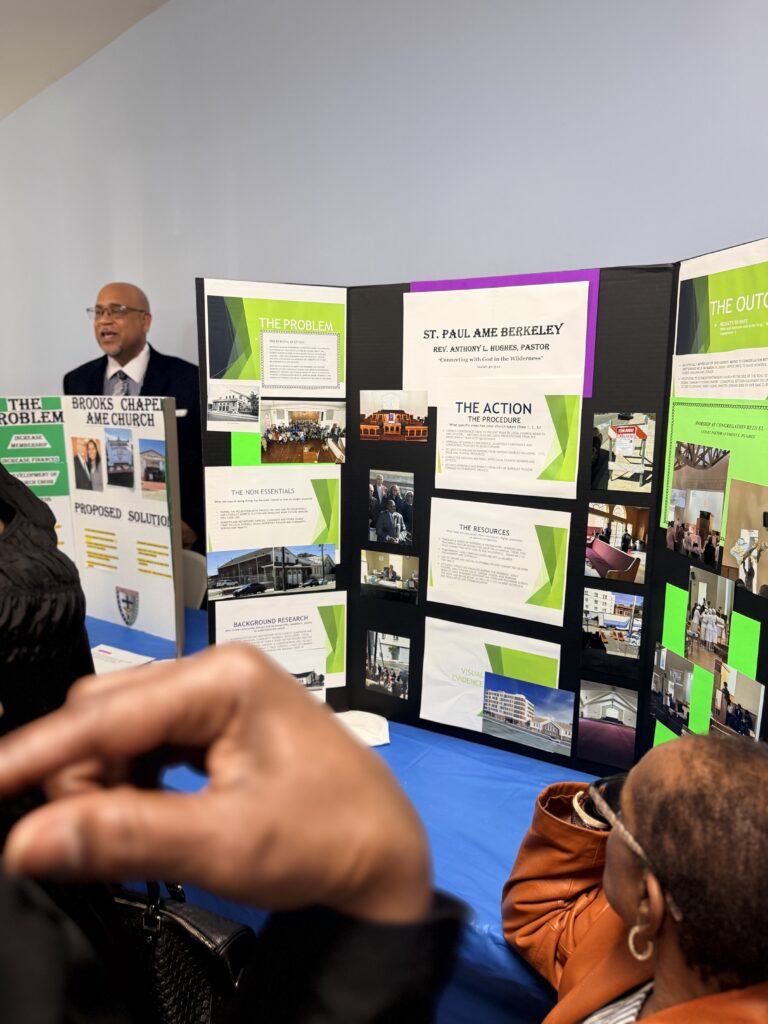
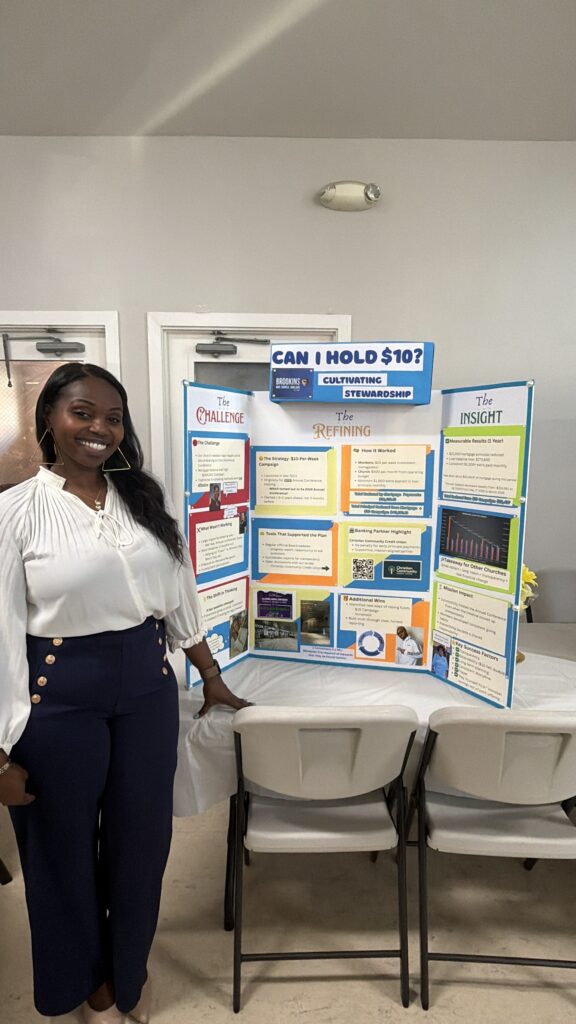
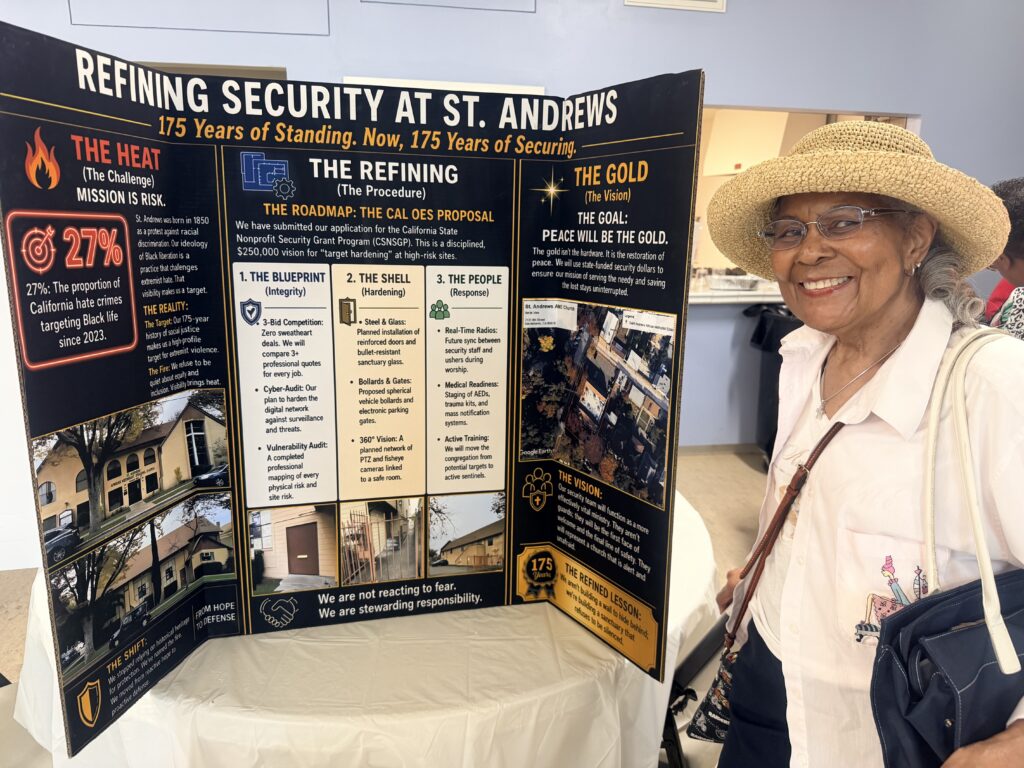
The first, drawn from Malachi 3:2-3, introduced what organizers called the process. The text’s depiction of a refiner patiently sitting with precious metal justified eliminating the timed oral speech district stewards typically gave. The district aimed to allow attendees to reflect on their local church data and assess which outdated structures to discard or recycle and which new initiatives to adopt. The second scripture, sourced from 1 Peter 1:7, defined the purpose. The focus here was documenting proven genuineness, which Peter names as an operational requirement for local churches to show how their institutional faith and strategic plans have been tested by contemporary stressors and what additional insights (what organizers called “the gold”) resulted. The structural core of the ministry fair relied on transforming the role of the District Steward. Rather than reading a narrative report, stewards anchored their presentations around a trifold display board designed to function as a visual lab or case study for their representative church. The design mandated that presenters approach their presentation by diagnosing a problem their churches faced. Presentations were strictly partitioned into three investigative categories:
- The Challenge – District Stewards explicitly named the fire (using the Malachi reference), whether that manifested as a capital building deficit, chronic post-pandemic engagement declines, or shifting neighborhood demographics.
- The Refining – This section demanded documentation of the precise operational steps, resources, and experimental strategies deployed during the year. This trial-and-error phase held the highest educational value for district conference attendees.
- The Insight – District Stewards isolated a single, verified lesson learned from their local testing that held systemic value for every other congregation in the district.
Furthermore, the district designed the ministry fair to be highly participatory. Presenters stood in front of their trifold to present their case studies, and attendees offered thoughtful questions regarding their resource allocation, the friction encountered during implementation, and the scalability of their methods. In many cases, attendees provided resources themselves based on their experiences. By changing the geography of the conference from a single podium to a room of active consulting stations, the Bay Valley District tested a clear hypothesis that the intelligence needed to survive a challenging cultural climate was already distributed across its pews and waiting to be resourced and utilized.