By D’Yonce Williamson, Contributing Writer
What do we do when we’re done talking? After we’ve said all that we can say, after we type the long post on Facebook, after we hit send, then what? What happens when we put the phones down? We often attribute activism and protest to a “back in the day” kind of thing. We say we aren’t our ancestors, no longer putting our bodies on the front lines to face the challenges of living in the United States. But has that translated to no fight at all?
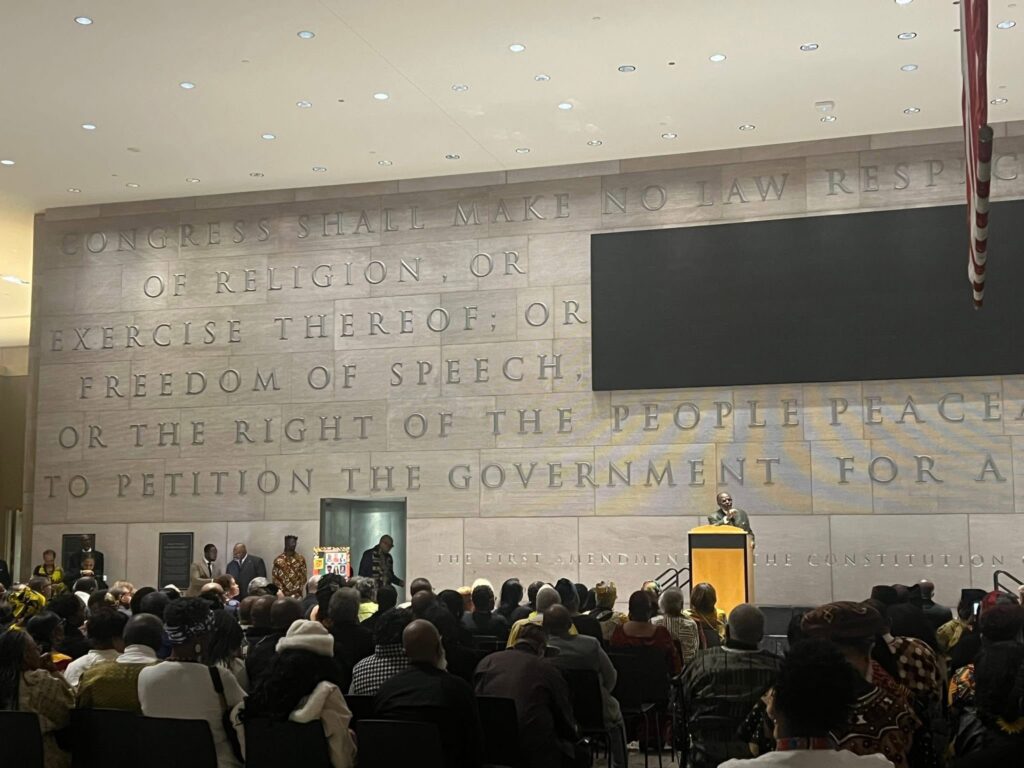
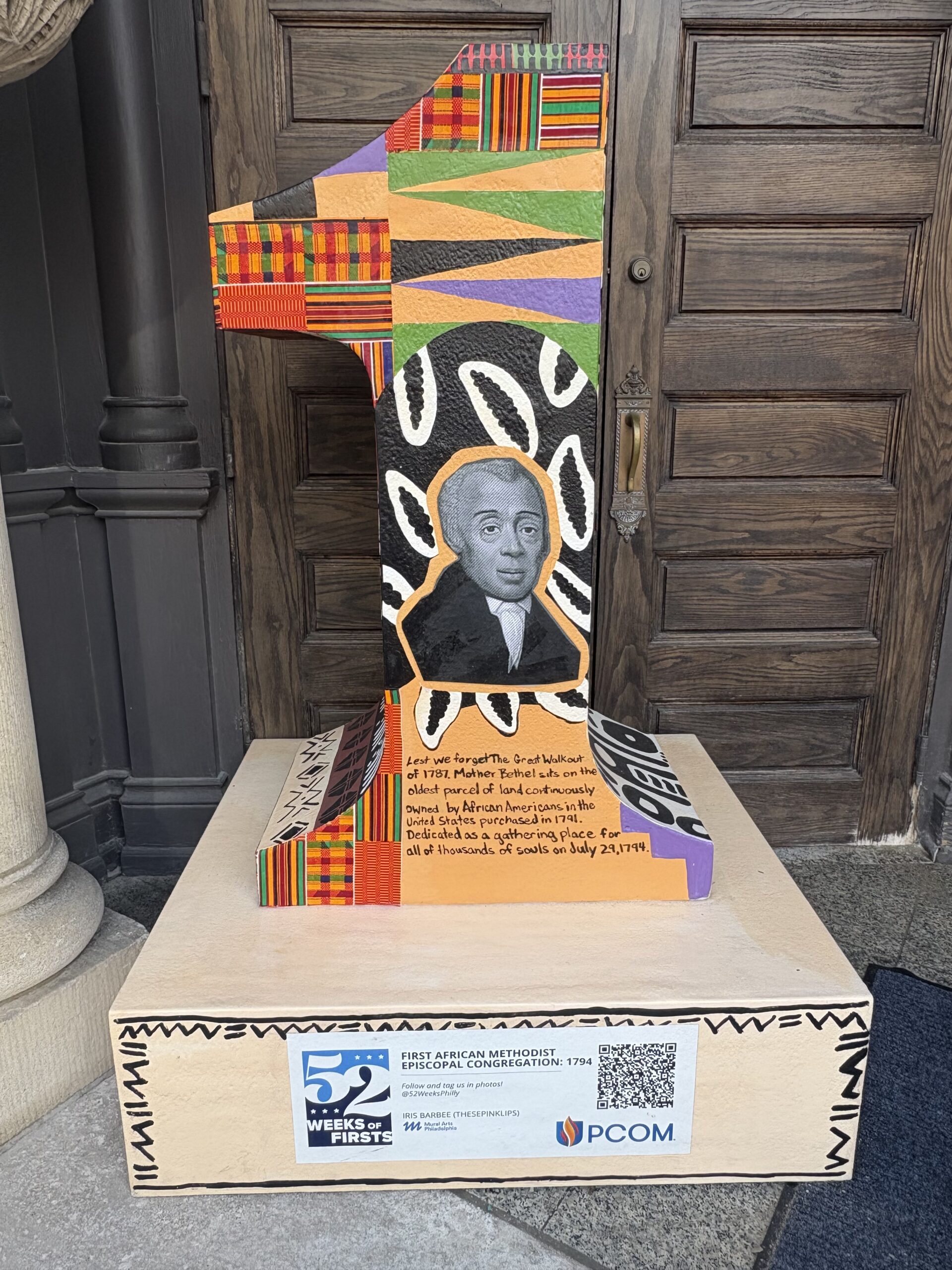
In celebrating Founder’s Day across the connection, I pondered what it looks like to fight back in 2026. Sitting in the National Constitution Center, amongst the best and brightest of the First Episcopal District, I considered what it took to get us this far. Looking across the road at the birthplace of American democracy and knowing that our Mother Bethel is just a short walk away, what did it take for us to get here? Our ancestors’ wildest dream, currently fellowshiping in cultural regalia, above the place that enshrines a living document that excludes us. How did we get here?
In 1787, activism was not limited to hitting the streets with Sharpies on cardboard. It wasn’t limited to public statements and posted opinions. It surely was not limited to condemning politicians from the pulpit on Sunday just to say it’s not my problem on Monday. Performative outrage and endless discourse weren’t it either. Taking on the very system that oppressed us required us to embrace each other. It was helping those through the Yellow Fever epidemic, the $1 Assessment, the forging of a society of missionaries, and the establishment of a teaching arm that strengthens the educational infrastructure of African Methodism.
Two hundred thirty-eight years after forming the Free African Society and 161 years since the last enslaved peoples were freed, we as Black Americans stand before this world with the greatest economic and societal comeback in history. We now stand before this world highly educated, inventors, and cultural needle movers. In 2026, coming against this current administration and ensuring sustainability for whatever is on the rise does not require us to reinvent the wheel. A time such as this requires us to remember who we are.
It was no mistake God saw fit to birth our denomination in the City of Brotherly Love. Because our founders loved the Lord, they saw fit to extend that love to each other. They loved each other enough to pool their savings together to purchase property, to feed the hungry, clothe the naked, and ensure the children would have a better future than their present. If our ancestors could build under bondage, what excuse do we have with freedom? Are we willing to sacrifice comfort as our founders sacrificed safety?
Before we hit send, there must be a call to action. After we post, we must organize. After we vent, we must fund. After we pray, we must plan. “Faith without Works is Dead.” – James 2:14-26
Photo Credits: Rev. Dr. Stanley Hearst II and D’Yonce S. Williamson