By Rev. Gaborone P. Lesito, 19th Episcopal District TCR Field Representative
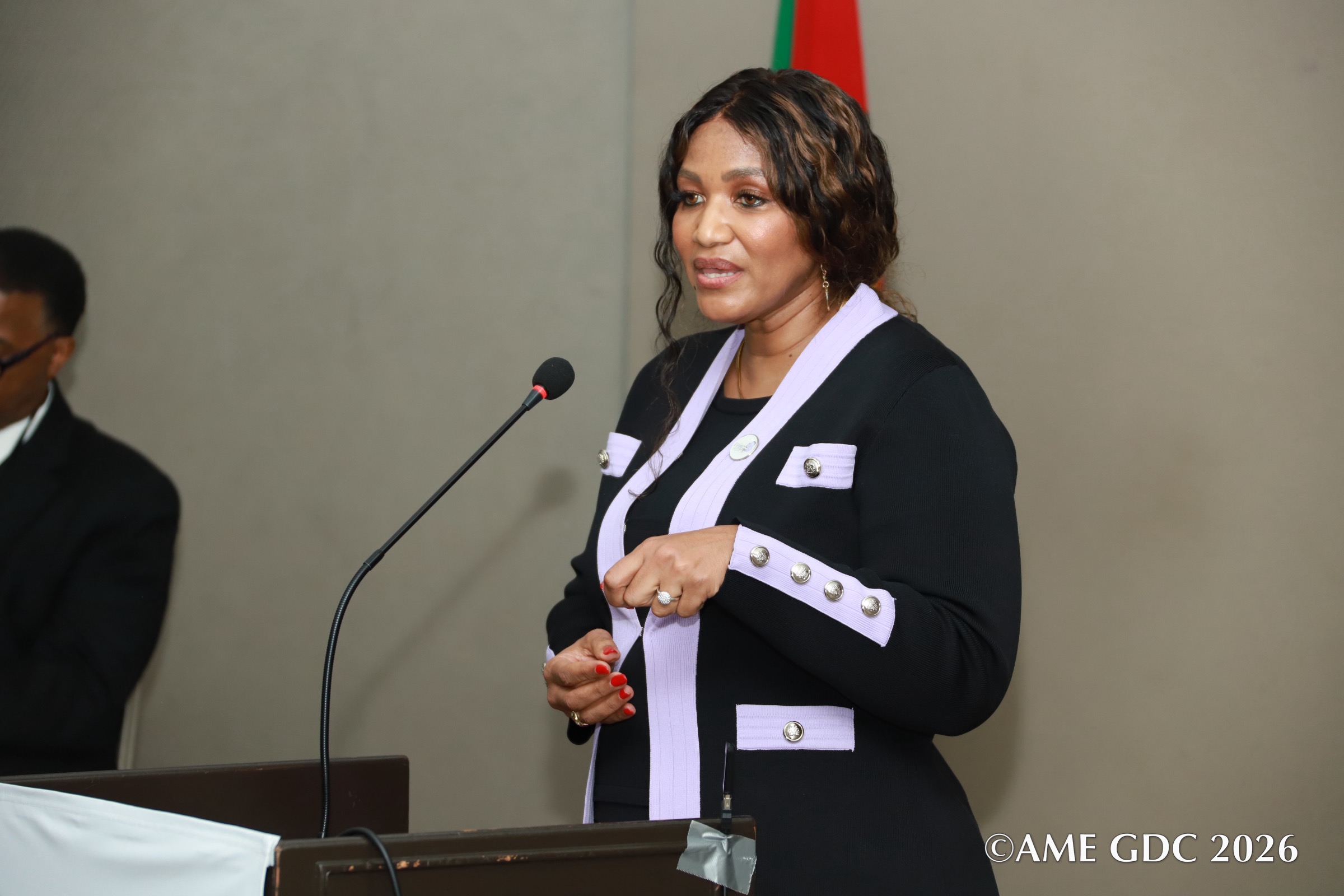
The Global Development Council (GDC) took a decisive step toward shaping its future as Presiding Elder Betty Schroeder (15th Episcopal District) and the facilitator of the Strategic Planning process presented the rationale, structure, and pathway for adopting a comprehensive global strategy.
In her preamble, Rev. Schroeder emphasized that strategic planning is not just a corporate exercise but an intentional, faithful expression of the mission of the African Methodist Episcopal Church in a rapidly changing global context.
Anchored in Mission
At its core, the GDC strategy seeks to advance the mission of the GDC to support the AME Church by strengthening global unity, developing clergy and lay leadership, promoting congregational and economic growth, enhancing governance participation, addressing context-specific global challenges, and proposing legislative measures that further institutional development.
This mission-centered approach ensures that every strategic priority flows directly from the Church’s ecclesial identity and global calling.
Grounded in Theology and Structured for Action
- Rev. Schroeder outlined a four-part framework guiding the strategy:
- A theological foundation rooted in AME liberation heritage, Ubuntu’s relational community, and Kairos theology’s call to prophetic action.
- Eight strategic pathways supported by SMART goals to ensure measurable and achievable progress.
- Clear implementation guidelines and best practices.A defined approval process with structured requirements and timelines.
- This structure integrates spiritual conviction with practical accountability, ensuring that vision is translated into sustainable action.
Eight Working Groups Commissioned
To operationalize the strategy, eight working groups were established around the following objectives:
Mission Alignment, Economic Development, Church Growth, Capacity Building, Holistic Development, Communication, Resource Accountability, Monitoring and Evaluation (M&E).
Each group was tasked with reviewing its objective, assessing SMART goals and Key Performance Indicators (KPIs), proposing refinements, identifying implementation challenges, and recommending solutions. The groups would report back with formal recommendations for the GDC to consider and adopt.
This collaborative process reflects a Church committed not only to planning, but to disciplined follow-through.
As the work progresses toward formal adoption, the GDC’s efforts signal a forward-looking global body—faithful to its theological roots, united in mission, and intentional about measurable impact across the worldwide AME connection.