By Reverend Sheila Scott
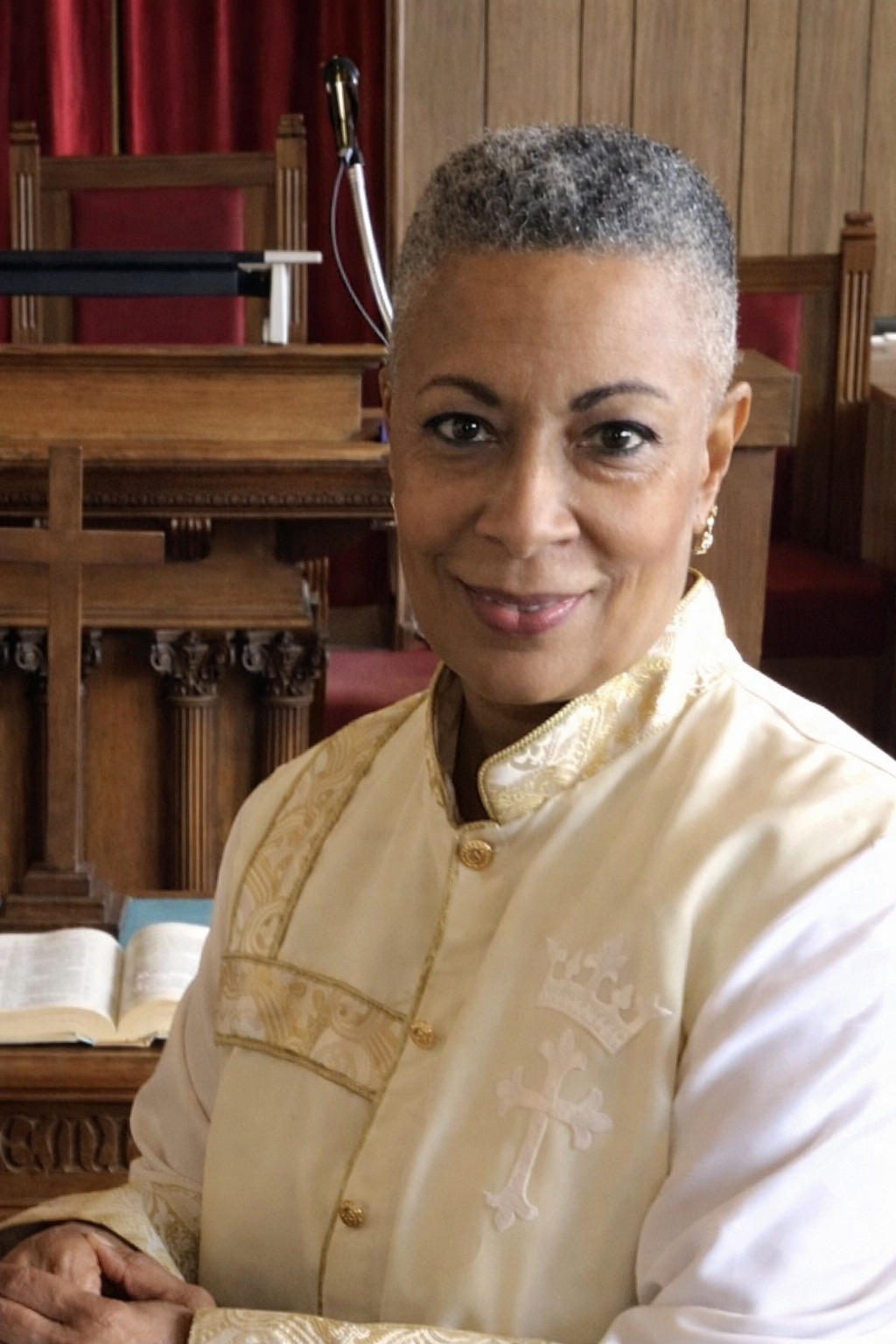
A Written Summary from a Q&A Interview with Reverend Beverly Stith
The Reverend Beverly Stith, Senior Pastor of St. John African Methodist Episcopal Church on the “KINGShighway” in St. Louis, Missouri, shares her experience of ministering in seasons of trauma. She explained that pastoring in a disaster zone means stepping beyond the pulpit and into the rubble, sometimes literally. Similar to her days as a hospital chaplain during the COVID-19 pandemic, when PPE became her daily armor, she once again found herself serving in crisis conditions. In the wake of the EF3 tornado that struck on May 16, 2025, she saw pastors putting on gloves, masks, and steel-toe boots not just for safety, but for service.
Yet St. John AME Church remained a steadfast hub of hope, even as its own building bore the impact of the storm. Despite the physical damage, the ministry did not pause; it deepened. As she continued to serve the congregation, she also expanded outreach to the wider community, meeting urgent needs with compassion and resolve.
She noticed that the tornado exposed long-standing challenges: families without insurance, homes passed down through generations with unclear titles, and a recovery process that felt overwhelming. In this landscape, pastoral care became intensely personal, shaped by each person’s story, struggles, and spiritual need.
Not every problem could be solved, and not every person was ready to receive help. Some clung to helplessness, while others found the strength to rebuild. Nevertheless, the Reverend Beverly met everyone with grace, offering presence without pressure, hope without condition, and love that reached beyond the pulpit.
At the heart of pastoral care is creating sacred spaces for lament and restoration through prayer, resource distribution, and community gatherings. Healing begins with naming emotions, journaling experiences, adjusting to a new normal, and, at times, seeking professional support. Acceptance is not instant joy. It is the courageous act of facing reality while still choosing hope.
Even the children at the beginning of the school year endured school closures, displacement, and the emotional toll of trauma while still showing remarkable strength. At St. John, the Boy Scouts and girls’ ministries remain active in service and prayer, anchoring young hearts in faith. There, they learn that loss is real, but so is redemption.
Pastoral care, in its truest form, is the Great Commission in motion, going where the need is, teaching with love, and being present in the valley where healing begins. Healing is not only about tending to others, but about tending to ourselves, too. True restoration recognizes self-care is sacred, not selfish.
In conclusion, the Reverend Beverly shared, “I have learned to minister without taking on the burden. I have learned to just breathe.” Her daily devotions, prayer rituals, therapy, and knowing “GOD has everything under control” sustain her spirit. This is the hope she carries into 2026: that God remains our peace in every storm, and that ministries will continue to lead communities toward healing and restoration.