By Rev. Frederick Ofori Agyemang, 14th Episcopal District TCR Field Representative
The 13th Assembly of the Global Development Council of the African Methodist Episcopal Church possesses a unique opportunity to explore profound possibilities that extend not just into the realms of faith but to penetrate deeply into numerical and economic growth for the African Methodist Episcopal Church, especially from the 14th to the 20th Episcopal Districts.
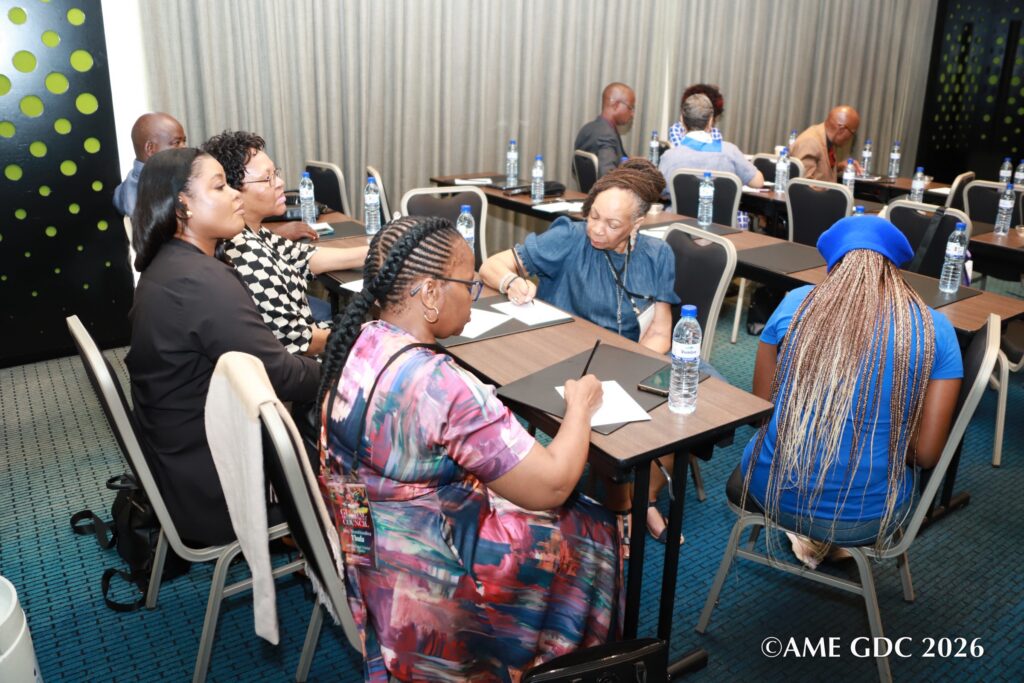
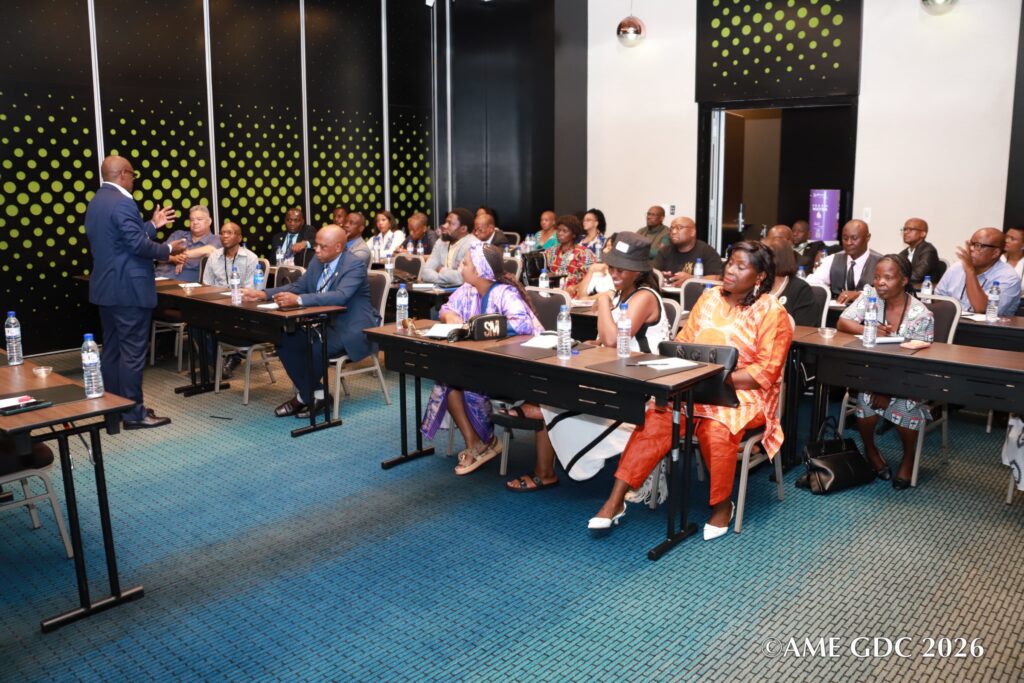
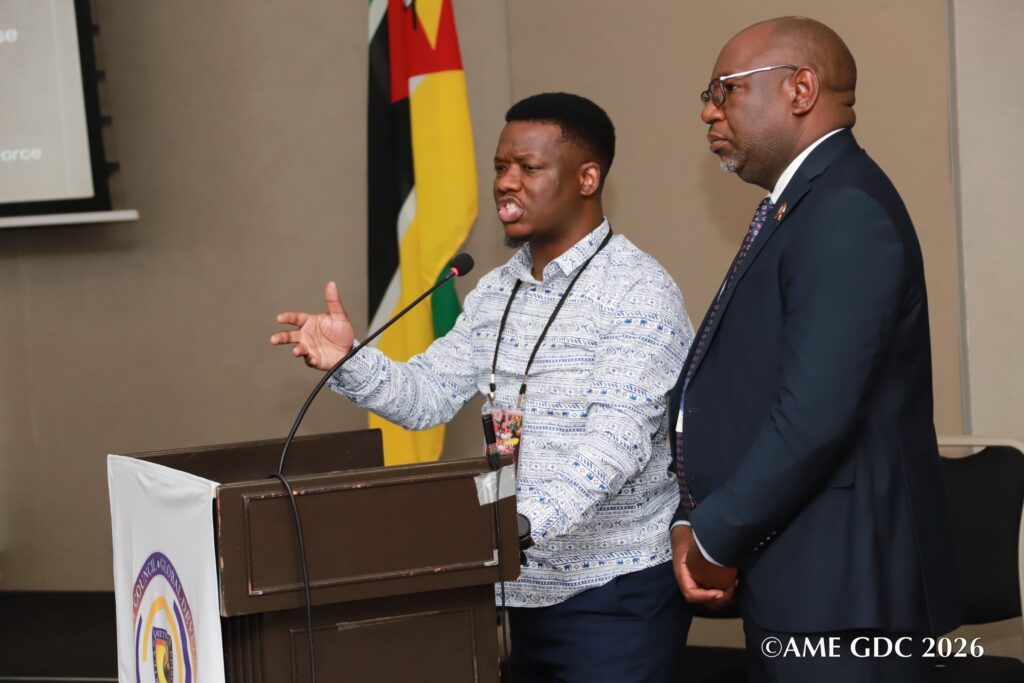
During the business session 5, the following committees presented their reports;
Human Capital Development Initiative (HCDI)
Led by Rev. Odell S. Swen, 14th Episcopal District
Their core purpose is to intentionally invest in the intellectual, vocational, spiritual, and leadership capacities of individuals so they contribute meaningfully to their communities, economies, and the mission of Christ.
A Policy Ready Statement
This initiative seeks to strengthen human capital by investing in education, vocational skills, health, leadership formation, and ethical grounding, ensuring that individuals are equipped for purpose-driven participation in community transformation.
Key Areas are;
Social Justice:
a. Education
talk of limitations and income inequalities
b. Gender Inequality
talk of Racism, Sexism
c. of housing
food inequality, poor Governance
Environmental issues
talk of sanitation, water, land degradation, climate, and shelter. Its implications are health and security, drug abuse among the youth, food security in terms of diet, inadequate access to good healthcare, and poverty.
Biblical insight John 10:10 (NLT)
“The thief’s purpose is to steal and kill and destroy. My purpose is to give them a rich and satisfying life.”
In line with the biblical purpose of Jesus Christ, it indicates that humans need to be treated equally in terms of food security, quality healthcare, financial resources, advocacy, and human capital development.
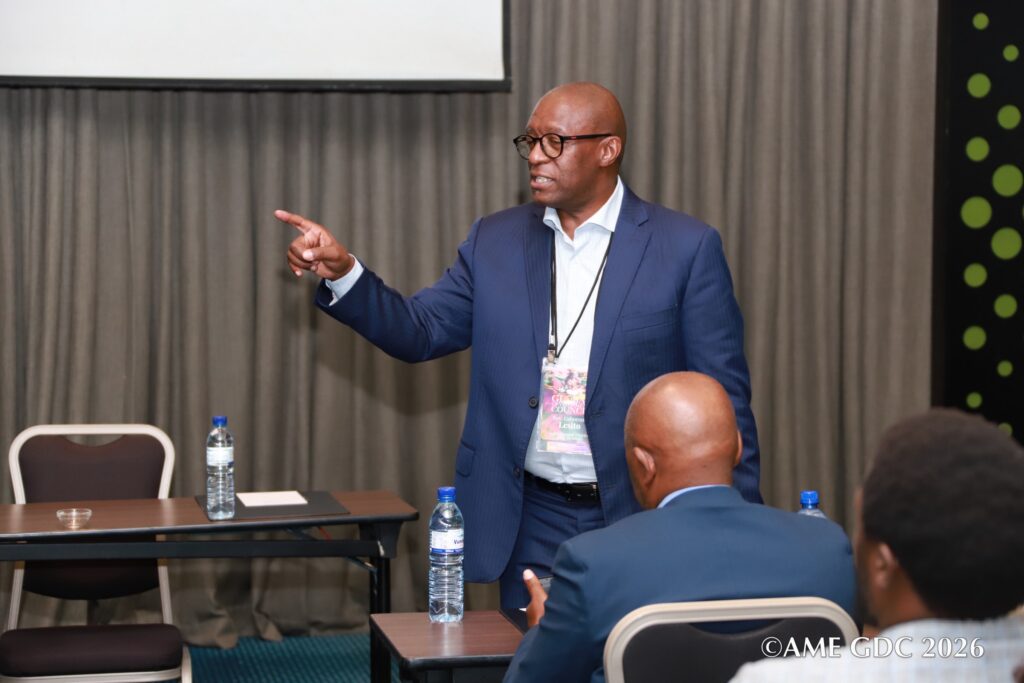
Monitoring and Evaluation Committee
Led by Brother Thembinkosi Kumalo Sr, 20th Episcopal District
Their outcome was harvesting, i.e., increasing engagement, and, as a committee, they were assigned to establish a baseline assessment tool to create an inventory for each Episcopal District, reporting the existing components and ministries within each Episcopal District.
Also assess the geographical makeup and operational effectiveness of each Episcopal District within the Global Development Council. Furthermore, use monitoring tracks for the journey and evaluate to define the destination.
Conclusion
The reaction is that, while people applaud this insight, it also raises questions about the GDC’s contribution to its members and the community in terms of human capital development.
What will be the outcome for a better result that the 13th Assembly of the Global Development Council of the African Methodist Episcopal Church seeks