

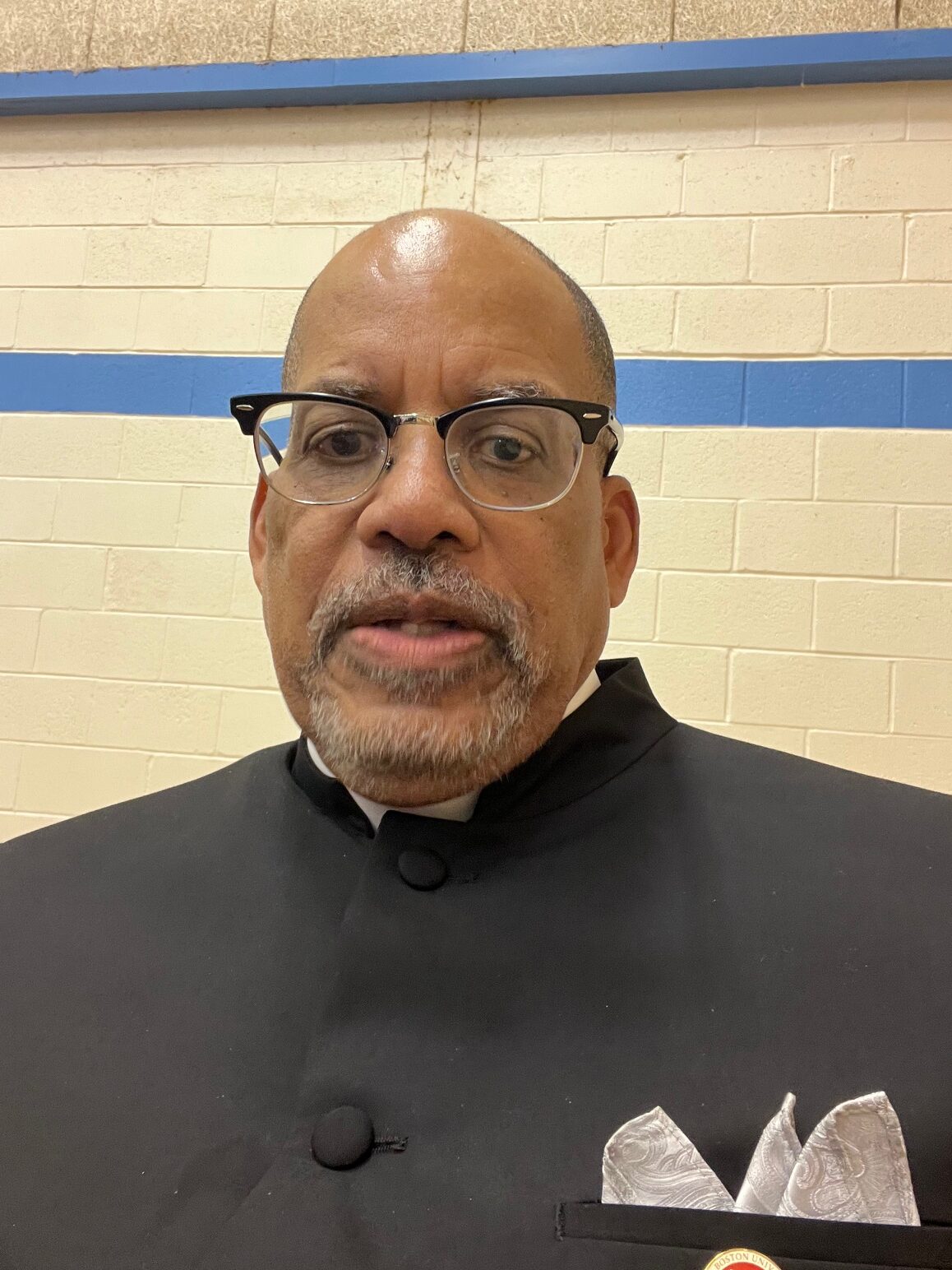
By Dr. Herman O. Kelly, Jr., Senior Columnist
We live in a world of symbols and images. I am presently reading The Barn: The Secret History of a Murder in Mississippi, the truth regarding Emmett Till’s murder in the Delta of Mississippi. The author describes the Barn where Till was killed, and this place seems to have a life of its own. I see The Barn as a place of violence and hate. The Barn is where a teenager’s life of great possibility was ended. As I read this story, I am reminded of my pastoral days in Clarksdale, Mississippi, at The Friendship African Methodist Episcopal Church. I shared six years serving a lovely congregation, but as we shared joy and sorrows, the Delta holds a place of horror and pain for the Till family. The Barn is a symbol of racism and marginalized hatred that still lifts its ugly head in America.
The Bus is where Rosa Parks could not sit after a long day at work. The Bus reminds me of a place where we still must fight for real personhood in this country, for Langston Hughes reminds us that “I, too, am America.“ I remember being interviewed by 12 persons, seated in a circle at a major university in this country, for a teaching position. I wonder how many people of color were also placed under such conditions in the Academy. I endured the uncomfortable place because of The Barn and The Bus. The Bus is supposed to be a comfortable ride to a destination, but Sis. Parks was never comfortable on The Bus. I can not be comfortable, even with the creature comforts of life.
The Jail symbolizes one’s freedom being taken away. Dr. King penned powerful words from a jail in Birmingham, Alabama. Today, we can be free, but still have our minds behind bars of our own creative incarceration. As I share with my students at the university, I work with purpose, with passion, and with power.
Let us never forget The Barn, The Bus, and The Jail.


These are very poignant points, the Barn, the Bus and the Jail. Even in present day America, we are constantly reminded of these event, “especially the Jail!” However, “We Shall Overcome” one day!